 Save
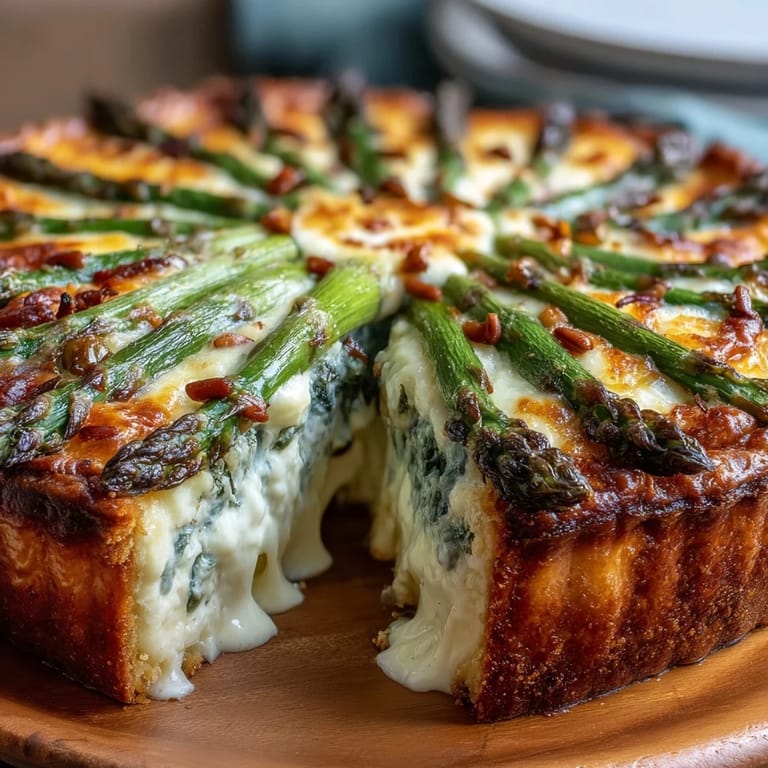
Save The first time I made this tart, my neighbor stopped by mid-afternoon with fresh asparagus from her garden, and I suddenly had the perfect excuse to finally use that block of puff pastry sitting in my freezer. There's something about spring vegetables that makes you want to do something a little fancy but not complicated—just enough effort to feel special, but simple enough that you're not stressed about it. That day, the kitchen smelled like toasted cheese and buttery pastry, and by the time it came out of the oven, she'd already decided she was staying for lunch.
I made this for a casual Easter brunch last year, and what started as one tart somehow turned into three because everyone kept coming back for slices. My friend Emma, who's usually skeptical about vegetables, ate two servings and asked for the recipe—then actually made it at her house the next week. Moments like that remind me why I love cooking for people, especially when it's something that feels light and seasonal instead of heavy.
Ingredients
- Thin asparagus (about 400 g): Look for spears that are roughly the same thickness so they cook evenly; thin ones stay tender without becoming woody, and they look prettier on the tart too.
- Crème fraîche or ricotta (200 g): This is your base—crème fraîche gives you a silky richness while ricotta keeps things a bit lighter; either one works beautifully with the asparagus.
- Gruyère or Parmesan cheese (100 g): Grated fresh cheese melts better than pre-shredded, and both these varieties add a nutty depth that cheap cheddar just can't match.
- Egg (1, lightly beaten): This is your pastry's shiny golden finish—it creates that beautiful glossy crust you see in bakery windows.
- All-butter puff pastry (1 sheet, about 250 g): Thawed, not frozen; cold pastry is key, so if your kitchen is warm, chill it while you prep everything else.
- Fresh chives or dill (2 tbsp): Chives are milder and more elegant here, but dill brings an unexpected herbal brightness that pairs wonderfully with lemon.
- Lemon zest (1 tsp): This tiny bit of brightness keeps the whole thing from feeling heavy; don't skip it.
- Salt and black pepper: Taste as you go—the cheese is already salty, so be gentle.
- Toasted pine nuts and microgreens (optional but recommended): These add texture and a little visual flair, though the tart is delicious without them.
Tired of Takeout? 🥡
Get 10 meals you can make faster than delivery arrives. Seriously.
One email. No spam. Unsubscribe anytime.
Instructions
- Heat your oven and set up your tray:
- Preheat to 200°C (400°F) and line a baking tray with parchment paper—this prevents the pastry from sticking and gives you cleanup that doesn't involve scraping.
- Prepare your pastry:
- If your puff pastry isn't already pre-rolled, lay it out on a lightly floured surface and gently roll it into a rectangle about 25 by 35 centimeters. Transfer it carefully to your prepared tray.
- Score the border:
- With a sharp knife, lightly score a line about 2 centimeters from the edge all the way around—this tells the pastry where to puff up and creates a natural frame for your toppings. Prick the center area gently with a fork so the middle doesn't puff up too much.
- Make your cheese base:
- In a bowl, combine your crème fraîche or ricotta with half the grated cheese, your chopped chives or dill, lemon zest, salt, and pepper. Taste it—it should taste good on its own, because this is the flavor foundation.
- Spread the cheese mixture:
- Spread this evenly over the inner rectangle of your scored pastry, staying within those lines you created. Leave the border bare so it can puff up properly.
- Arrange the asparagus:
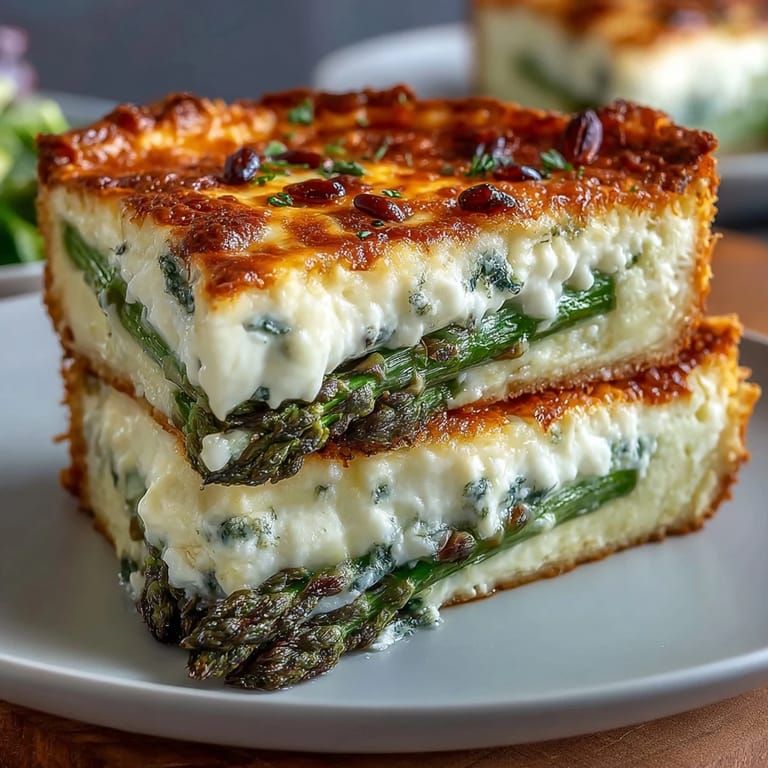
- Lay the asparagus spears neatly over the cheese—you can line them up in parallel rows, alternate directions for a fancier look, or just arrange them however feels right. The visual moment here is honestly half the appeal.
- Egg wash and final cheese:
- Brush your beaten egg along the pastry border only, then sprinkle the remaining cheese over the asparagus and cheese mixture. This is your golden, melty finish.
- Bake until golden:
- Bake for 20 to 25 minutes—the pastry should be puffed and golden brown, and the asparagus tips should be just tender when you poke one gently. Don't overbake or the asparagus becomes mushy.
- Finish and serve:
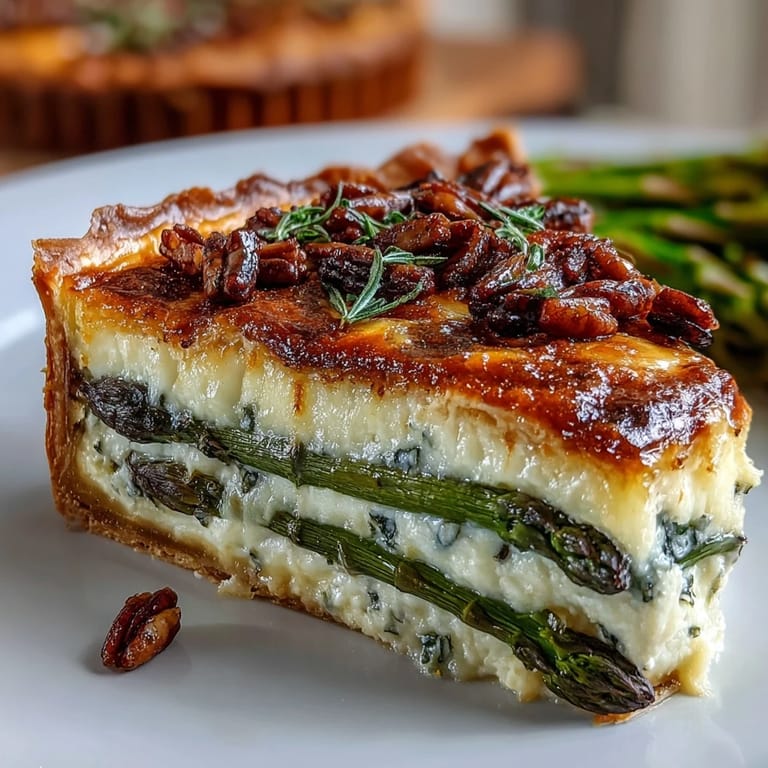
- Cool for a couple of minutes, then scatter toasted pine nuts and microgreens over the top if you're using them. Slice into squares or rectangles and serve warm or at room temperature.
 Save
Save The best moment with this tart happened when my mom visited and tried it for the first time—she took a bite and actually closed her eyes, then asked if I'd become a chef when she wasn't paying attention. Simple food that tastes this good feels like a small victory, especially when it's something you made yourself.
Why Spring Matters With This Recipe
There's something magical about cooking with asparagus in spring; it tastes green and fresh and somehow seasonal in a way that's hard to replicate any other time of year. This tart celebrates that moment—it doesn't try to hide the asparagus under heavy sauces or complicated flavors, it just lets it be what it is. If you find yourself making this in autumn or winter, thin spring asparagus is still going to taste better than whatever asparagus has traveled from far away, so if you can't get the real thing, wait until spring.
Variations That Actually Work
I've played around with this recipe more times than I can count, and honestly, most variations improve it rather than change it. A thin layer of prosciutto underneath the cheese adds a salty richness that makes it feel more like a proper dinner; goat cheese instead of ricotta brings a tang that plays nicely with the lemon; and if you have leftover herbs like tarragon or even basil, they work beautifully here too. The framework is flexible enough that you can adapt it to whatever you have in your kitchen and still end up with something that tastes like springtime on a pastry.
Serving and Storage Wisdom
This tart is wonderful warm, but honestly it's just as good at room temperature, which makes it perfect for lunch the next day or for bringing to a picnic. Store leftovers in an airtight container in the fridge for up to two days—if you reheat it, a quick pass in a warm oven brings back the crispness without drying it out.
- Pair it with a crisp white wine like Sauvignon Blanc or Pinot Grigio to balance the richness of the cheese.
- Make it ahead up to the baking step and refrigerate it for a few hours, then bake just before serving for maximum freshness.
- If your pastry cracks slightly while you're transferring it, don't panic—just patch it with a scrap of pastry and no one will ever know.
 Save
Save This tart has become my go-to when I want to cook something that feels both special and achievable, and that's really what good cooking is about. Make it, share it, and watch people's faces light up when they taste it.
Recipe FAQ
- → How do I keep the pastry crisp?
Scoring the edges and pricking the center allows steam to escape, preventing sogginess and maintaining a crisp border during baking.
- → Can I substitute the cheese?
Yes, ricotta can be swapped for goat cheese for a tangier flavor, and Gruyère can be replaced with Parmesan to adjust richness.
- → What herbs complement the asparagus best?
Fresh chives or dill add gentle, aromatic notes that enhance asparagus without overpowering its delicate taste.
- → Is it necessary to use fresh asparagus?
Fresh, thin asparagus cooks evenly and blends well with the creamy base, but tender frozen spears can be used if thawed properly.
- → Can the tart be served warm or cold?
It can be enjoyed warm or at room temperature, making it versatile for various serving occasions.