 Save
Save My neighbor brought over a small tin of hojicha tea one autumn afternoon, and I became instantly obsessed with its warm, almost caramel-like depth. That evening, standing in my kitchen with the tin open and a cup steaming in my hands, I thought: what if I could capture this exact feeling in dessert form? The answer was tiramisu, that Italian classic I'd made countless times, but completely reimagined through a Japanese lens. What emerged was something unexpected—a dessert that tastes like autumn in a dish, where toasty tea meets clouds of mascarpone cream.
I made this for the first time when my book club met at my place in November, and I'll never forget the quiet moment when everyone took their first bite. There was this collective pause, a genuine moment of surprise at how the roasted tea notes played against the creamy mascarpone. One friend actually closed her eyes, and another immediately asked for the recipe before even finishing her first spoonful. That's when I knew this wasn't just a fusion experiment—it was something that genuinely moved people.
Ingredients
- Hojicha loose leaf tea: This roasted green tea is the soul of the dish; the loose leaf version gives you more control over strength than bags, though bags work fine if that's what you have on hand.
- Mascarpone cheese: Use a quality brand and soften it at room temperature before mixing—cold mascarpone will clump and ruin the texture you're working toward.
- Egg yolks: The double boiler method pasteurizes them while creating that silky, pale custard base that makes tiramisu so luxurious.
- Heavy cream: Keep it cold until the moment you whip it; the contrast between cold cream and warm custard is what creates that cloud-like texture.
- Ladyfinger biscuits: Hunt for savoiardi specifically—they're denser and hold up better to the tea syrup than softer ladyfingers.
- Cocoa powder or hojicha powder: Save this for the very end; it's not just garnish but the final flavor note that ties everything together.
Tired of Takeout? 🥡
Get 10 meals you can make faster than delivery arrives. Seriously.
One email. No spam. Unsubscribe anytime.
Instructions
- Brew your tea syrup with intention:
- Boil the water, add hojicha, and let it steep for exactly five minutes—this is where you get that rich, toasted flavor without any bitterness creeping in. While the tea is still hot, stir in the sugar until dissolved, then let it cool completely; warm syrup will scramble your ladyfingers and soften them into mush.
- Create the custard base:
- Whisk egg yolks and sugar over simmering water, whisking constantly so the eggs warm through evenly without scrambling. You're looking for the mixture to go pale yellow and thick enough that ribbons fall from your whisk—this takes five to seven minutes and you can't rush it.
- Build the cream in stages:
- Whip your cold heavy cream first, then fold in the cooled custard with the mascarpone. Work gently; you're trying to preserve all those air bubbles you just whipped into the cream, not deflate them with aggressive mixing.
- Assemble with a dipping rhythm:
- Dip each ladyfinger briefly—one second per side is all you need—into the cooled hojicha syrup. A quick dip is the difference between a perfect tiramisu and one that falls apart when you try to serve it.
- Layer with balance:
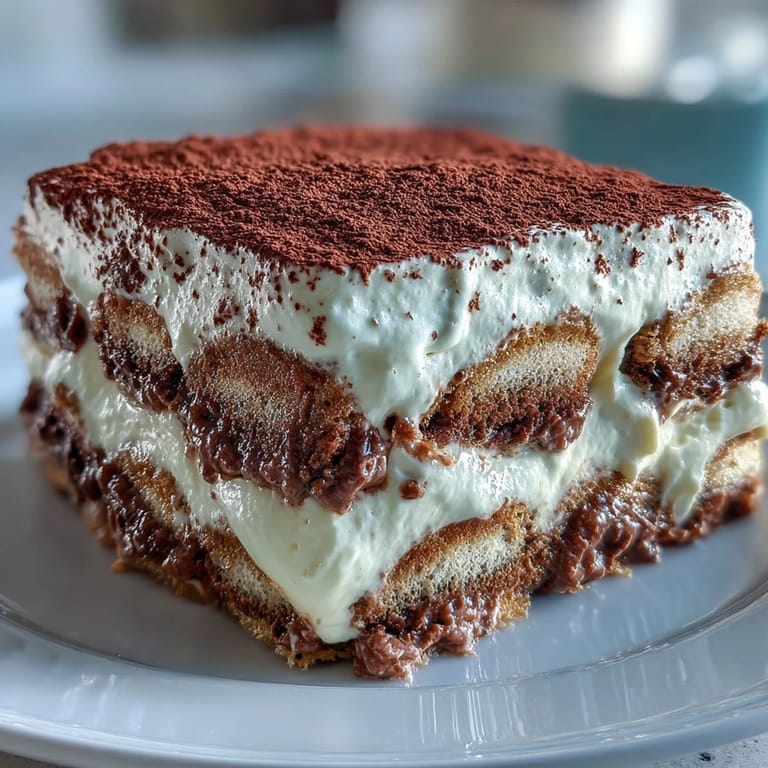
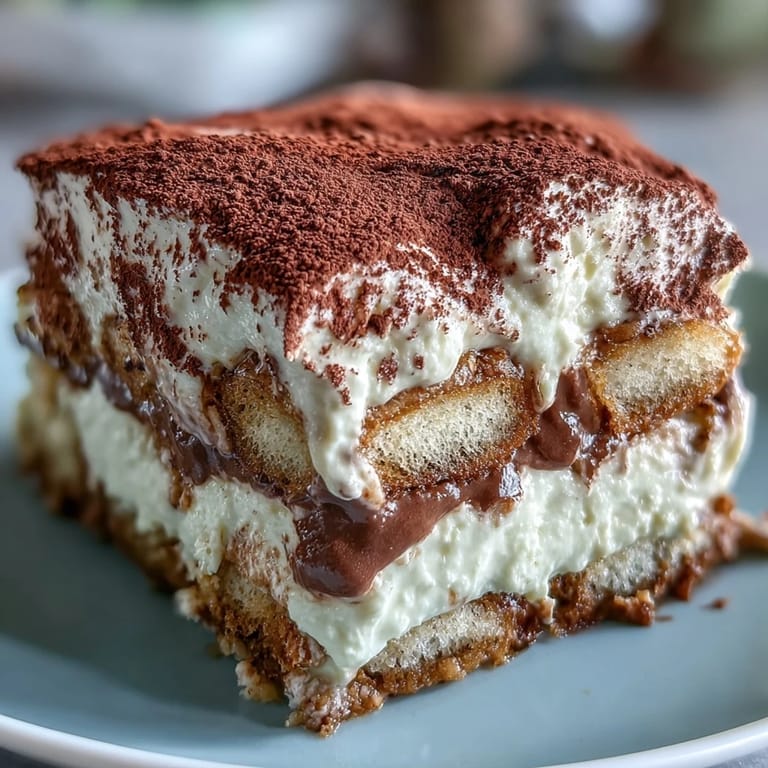
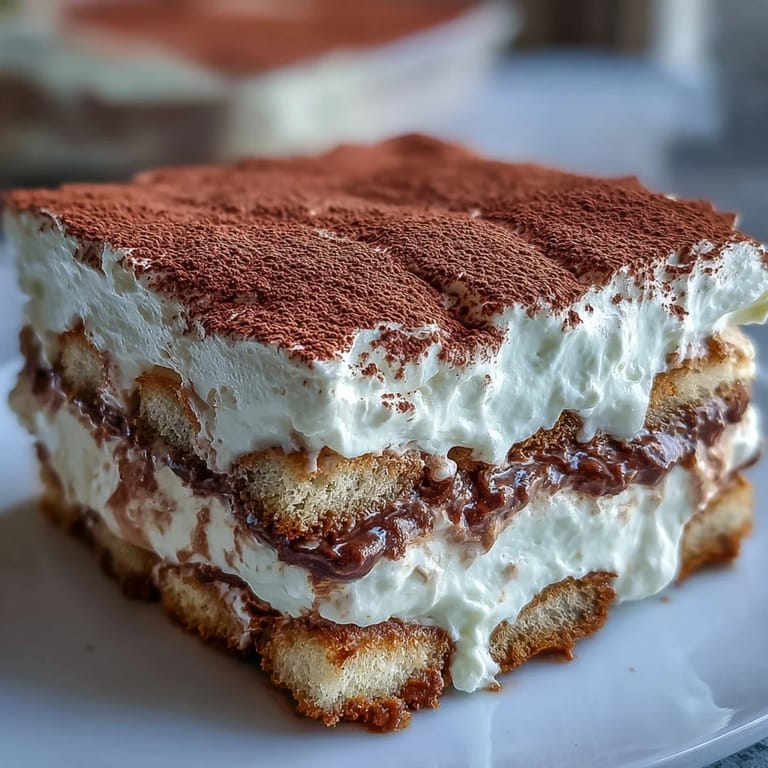
- Spread the mascarpone cream smoothly over the first layer of dipped ladyfingers, then repeat the layers so you get two distinct tiers of ladyfingers and cream. The even distribution is what makes each bite feel intentional.
- Chill without rushing:
- Four hours minimum, but overnight is really when the flavors marry and the texture becomes that perfect spoon-soft consistency. You can make this the day before serving, which is actually ideal.
- Dust and serve:
- Just before serving, sift cocoa or hojicha powder across the top so it looks like a light dusting of autumn itself. A fine mesh strainer makes this look polished; a shaker works too but feels less intentional.
 Save
Save There's something magical about opening the refrigerator at midnight, pulling out a covered dish of tiramisu, and stealing a spoonful straight from the corner where no one will notice. That moment—when the chill has set everything perfectly, when the flavors have had time to find each other—is when this dessert becomes more than just food. It becomes a quiet conversation between two cultures on your tongue.
Why Hojicha Changes Everything
Most people think of tiramisu and immediately picture coffee, which is classic for good reason. But hojicha opened a door I didn't know existed—it brings this gentle, roasted warmth that feels less like a jolt and more like a memory of autumn mornings. The tea is toasted, so it has this almost caramel-like undertone that actually plays beautifully with mascarpone's creamy sweetness. It's a flavor that doesn't scream for attention; it whispers, and somehow that makes it more memorable.
The Art of Not Overcomplicating It
I once tried to add coffee liqueur, then matcha, then sesame oil, trying to improve on something that was already working. The lesson was painful and delicious: this dessert doesn't need rescue or reinvention. The hojicha syrup and mascarpone cream are a complete thought on their own. Everything else—the optional boozy additions, the garnish variations, the flavor substitutions—is just you having fun once you've already nailed the foundation.
Variations and Personal Touches
The beauty of this recipe is that it's flexible enough to feel personal without requiring you to start from scratch. Add a tablespoon of coffee liqueur or Marsala wine to the syrup if you want a slightly boozy dimension, or keep it alcohol-free and let the hojicha be the star. Try matcha instead of hojicha for something brighter and grassier, or dust the top with toasted sesame seeds for an extra layer of nuttiness. The core method stays the same; you're just adjusting the conversation.
- For a non-dairy version, experiment with cashew cream blended until silky smooth and use coconut cream whisked to stiff peaks in place of heavy cream.
- Store leftovers covered in the refrigerator for up to three days, and the flavors actually deepen as they sit.
- If you're nervous about raw eggs, look for pasteurized eggs at your grocery store, or use a trusted store-bought custard base and skip the double boiler step.
 Save
Save This dessert became my answer to the question of how to honor two cuisines I love without forcing them awkwardly together. Hojicha tiramisu proves that fusion doesn't have to be complicated or gimmicky—sometimes it's just about listening to what each ingredient wants to say and letting them speak together. Make it once, and it'll likely become part of your regular rotation, the way the best recipes do.
Recipe FAQ
- → What does hojicha taste like?
Hojicha offers a distinctive roasted, nutty flavor with earthy undertones and subtle caramel notes. Unlike green teas, it lacks bitterness and has a warm, toasty character that pairs beautifully with rich dairy components.
- → Can I make this dessert ahead of time?
Absolutely. In fact, this dessert tastes better after chilling for at least 4 hours, though overnight is ideal. The flavors deepen and the texture sets properly during this time, making it perfect for preparing a day before serving.
- → What can I substitute for ladyfingers?
While traditional savoiardi work best, you can use soft sponge cake slices, brioche, or even gluten-free ladyfingers. The key is choosing something sturdy enough to hold structure while absorbing the tea syrup without disintegrating.
- → How long will leftovers keep?
Properly stored in the refrigerator, this dessert maintains quality for 3-4 days. The texture may soften slightly over time, but the flavors continue to develop. Cover tightly to prevent absorbing other refrigerator odors.
- → Can I use other teas besides hojicha?
Matcha creates a vibrant, grassier version with a striking green color. Genmaicha adds extra nuttiness from the roasted brown rice. Earl Grey offers bergamot notes, while strongly brewed black tea provides a classic coffee-like depth.
- → Why is the egg yolk mixture cooked?
Cooking the yolks with sugar over gentle heat pasteurizes them while creating a stable, fluffy base that holds air better than raw yolks. This technique ensures food safety and produces a lighter, more stable final texture.