 Save
Save My first encounter with hojicha mousse happened on a gray afternoon in a small Tokyo café, where the dessert arrived in a delicate glass so light it seemed to float on the saucer. The waiter described it as 'air with memory'—a poetic way of saying the roasted tea flavor lingered long after each spoonful melted on my tongue. Years later, standing in my own kitchen with a whisk in hand, I wanted to recreate that moment, that exact feeling of something both substantial and impossibly weightless. This recipe became my love letter to that afternoon, proof that the most refined desserts don't need heavy cream to feel luxurious.
I made this for my neighbor one summer when she mentioned she'd never had hojicha before, and watching her face light up when she tasted it—that moment when something becomes a favorite before you've even finished eating it—that's when I knew this recipe was special. She asked for it three more times that season, and now whenever I make it, I think of her sitting at my kitchen counter, completely enchanted by something so simple.
Ingredients
- Hojicha tea leaves: The star of this show; look for quality loose-leaf hojicha for a deeper, more nuanced roasted flavor that won't taste bitter or ashy.
- Whole milk: The canvas for the tea—use the best quality milk you can find because you'll taste the difference when it's the main player.
- Eggs, separated: Fresh eggs matter here; older eggs won't whip to the same fluffy peaks that make this mousse feel ethereal.
- Granulated sugar: Divided between the yolks and whites, it sweetens without overwhelming the delicate tea notes.
- Cornstarch: The secret to a silky custard base that won't break when you fold in the egg whites.
- Powdered gelatin: Just enough to hold everything together while keeping the texture light and cloud-like.
- Vanilla extract: A whisper of warmth that complements the roasted tea perfectly.
Tired of Takeout? 🥡
Get 10 meals you can make faster than delivery arrives. Seriously.
One email. No spam. Unsubscribe anytime.
Instructions
- Steep the hojicha into warm milk:
- Heat your milk until you see wisps of steam rising, then add the tea leaves and cover the saucepan. The steeping happens quietly for ten minutes while you gather your other ingredients, filling your kitchen with that comforting roasted aroma.
- Bloom the gelatin:
- Sprinkle the powder over cold water and let it sit undisturbed for five minutes—don't rush this step or you'll end up with grainy bits later.
- Create the custard base:
- Whisk your egg yolks with half the sugar and cornstarch until pale and fluffy, which takes about a minute of vigorous whisking. Slowly pour in the warm hojicha milk while whisking constantly, as if you're coaxing them to become friends rather than forcing them together.
- Cook the mixture over gentle heat:
- The bain-marie (water bath) is your safety net here; it ensures the eggs cook slowly and evenly without any chance of scrambling. Whisk constantly and watch for the moment when the mixture coats the back of your spoon like silk—that's your signal to stop.
- Dissolve the gelatin:
- Stir it into the hot mousse immediately and watch it disappear like magic, then add the vanilla and let everything cool to room temperature, stirring occasionally so a skin doesn't form on top.
- Whip the egg whites to stiff peaks:
- Start with soft peaks, then gradually add the remaining sugar while beating—the sugar helps stabilize the whites and gives them a glossy, cloud-like appearance that's almost too pretty to fold into anything.
- Fold with intention:
- This is the moment that determines whether your mousse floats or sinks; fold the egg whites in thirds, using a rubber spatula and turning the bowl as you go, treating the mixture like something precious that might break.
- Chill until set:
- Two hours in the refrigerator gives the gelatin time to work its magic, transforming the mixture from something pourable to something you can eat with a spoon.
- Garnish and serve:
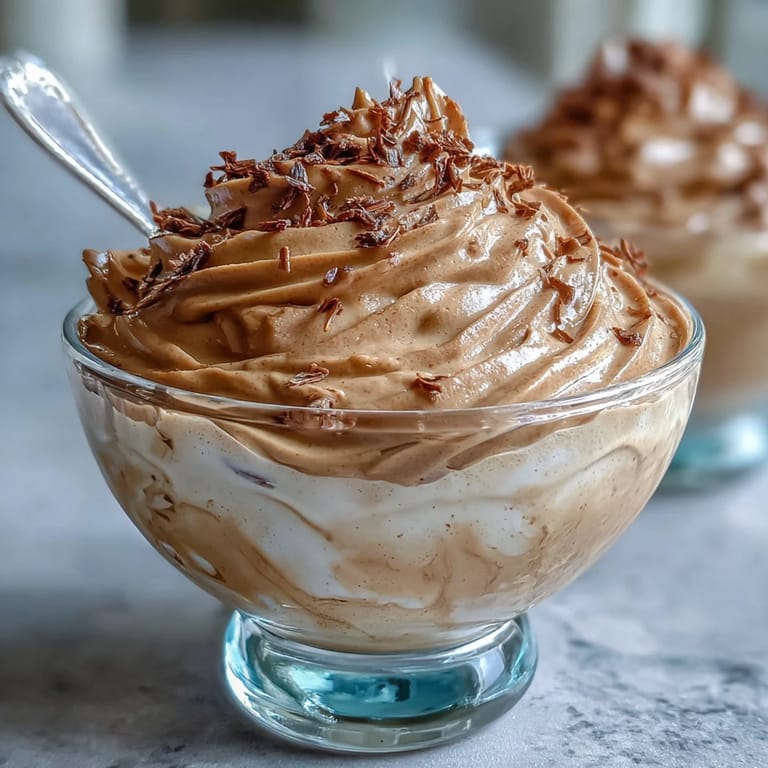
- A sprinkle of toasted hojicha leaves or cocoa nibs on top adds texture and reminds everyone what they're tasting.
 Save
Save There's something quietly magical about watching someone taste hojicha mousse for the first time—the pause, the slight smile, the way they go back for another bite before they've even set down the spoon. It's dessert that feels like a conversation between you and whoever's eating it, a moment of connection that's both comforting and special.
Why Hojicha Matters
Hojicha is roasted green tea that tastes nothing like the grassy, bright flavors of regular green tea; instead, it's warm, nutty, almost toasted in a way that feels cozy. The roasting process mellows out any bitterness, which is why hojicha works so beautifully in desserts without needing heavy sweetness to balance it out. I've found that quality matters tremendously here—cheap hojicha can taste dusty or burnt, while good hojicha tastes like someone spent time getting the roast exactly right.
The Magic of Egg Whites
The reason this mousse feels so impossibly light is because you're essentially folding air into the mixture through whipped egg whites, which is a technique that goes back centuries but never loses its magic. Every time I whip egg whites, I'm amazed by the transformation from liquid to peaks to glossy foam, and I never take for granted how much of that effort relies on keeping them clean and grease-free. A tiny bit of yolk in your whites will sabotage everything, so I separate them carefully and even use a separate bowl for whipping—it's one of those small efforts that pays off enormously.
Serving Suggestions and Variations
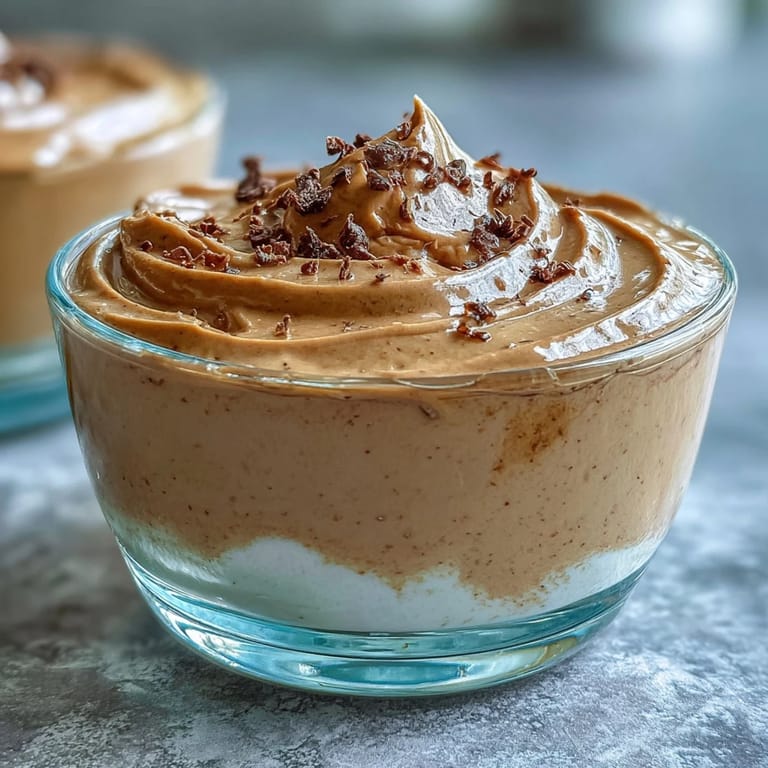
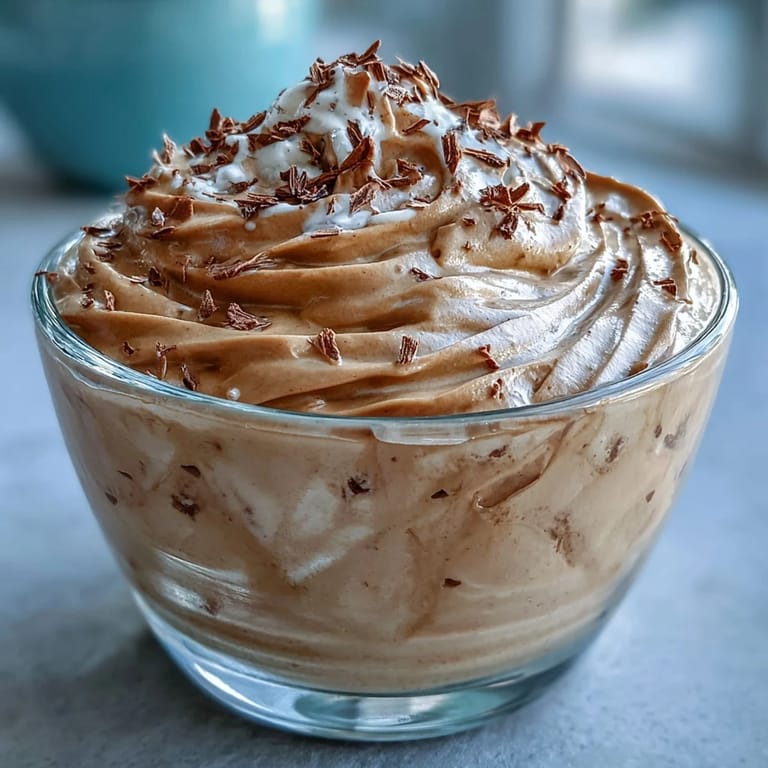
I serve this mousse in small glasses or ramekins so you get a visual sense of those distinct layers even though everything's folded together, and somehow eating it from a glass makes it feel more special than a bowl ever could. Fresh raspberries or strawberries brighten it up beautifully, or you can drizzle a tiny amount of honey on top for extra sweetness. For a dairy-free version, oat milk works particularly well because it has a subtle sweetness that complements the hojicha without overwhelming it, though almond milk is fine too.
- Pair this with a light sake or a cup of cold hojicha for the complete Japanese tea experience.
- Make it ahead on the morning of dinner and it's one less thing to stress about when guests arrive.
- Leftovers keep beautifully covered in the refrigerator for up to three days, though it never lasts that long in my house.
 Save
Save This mousse reminds me why I love cooking at all—it's the intersection of technique and simplicity, where a few careful steps and quality ingredients create something that feels like pure indulgence. Make it once and it becomes part of your repertoire, the dessert you reach for when you want to impress people or simply treat yourself to something that tastes like love.
Recipe FAQ
- → What makes hojicha different from other Japanese green teas?
Hojicha is roasted green tea leaves, creating a distinctive toasty, caramel-like flavor with lower caffeine content compared to other Japanese teas like matcha or sencha. The roasting process gives it reddish-brown color and reduces bitterness, making it ideal for desserts.
- → Can I prepare this mousse ahead of time?
Absolutely. This mousse sets perfectly in the refrigerator and can be made up to 24 hours in advance. In fact, the flavors often develop and deepen after several hours of chilling. Cover your serving glasses with plastic wrap to prevent any absorption of refrigerator odors.
- → What gives this mousse structure without heavy cream?
The combination of cornstarch-thickened egg yolk base and beaten egg whites creates the structure. The yolks provide richness while the cornstarch helps stabilize the mixture. The whipped egg whites incorporate air, creating that signature light, fluffy texture when folded in gently.
- → How do I know when the custard base is properly thickened?
The base is ready when it coats the back of a wooden spoon and you can run a finger through it leaving a clean line. This typically takes 3-5 minutes over the bain-marie. Be patient and whisk constantly to prevent scrambling the eggs.
- → What garnishes work best with hojicha mousse?
Toasted hojicha tea leaves add beautiful texture and reinforce the flavor. Cocoa nibs provide a pleasant crunch and slight bitterness that balances the sweetness. Fresh berries like raspberries or sliced strawberries offer brightness and color contrast.
- → Is this dessert suitable for special dietary needs?
The base version is vegetarian and naturally gluten-free. For dairy-free needs, substitute whole milk with oat, almond, or soy milk—the mousse sets beautifully with these alternatives. Always check your gelatin source for specific dietary requirements.