 Save
Save There's something about a steaming bowl of white bean soup that makes everything feel manageable. I discovered this particular version on a drizzly afternoon when I was rummaging through my pantry, armed with nothing but canned beans and tomatoes, determined not to order takeout. What emerged was this silky, deeply satisfying soup that tasted like it had been simmering for hours, when really it needed just thirty-five minutes of my attention. The simplicity of it shocked me, and now it's become my go-to answer whenever someone asks what I'm making for dinner.
I made this for my sister during her first week of a new job, when she was too tired to think about food properly. She sat at my kitchen counter, and I watched her whole face relax with that first spoonful, the tension from her shoulders melting down somewhere around her ribs. She asked for the recipe immediately, and I realized then that comfort isn't always about complexity, it's about knowing exactly what you need and delivering it without fuss.
Ingredients
- Olive oil: Two tablespoons creates a fragrant base and helps the onions caramelize just slightly, building flavor from the very beginning.
- Yellow onion: One medium onion, diced fine so it practically melts into the soup and becomes the invisible foundation of everything that follows.
- Garlic: Just two cloves, minced into almost a paste, because garlic this early in the cooking process distributes throughout the entire pot and becomes almost sweet.
- Cannellini beans: Two cans, drained and rinsed well, and they're the hero here, providing that creamy texture without any actual cream if you decide to skip it.
- Vegetable broth: Four cups, and honestly, using a decent broth makes all the difference, not the wan stuff that tastes like sadness.
- Diced tomatoes: One can with juices, and those juices matter because they carry the tomato flavor right through the soup.
- Tomato paste: One tablespoon that deepens everything and adds a concentrated tomato undertone that people usually can't quite identify but absolutely feel.
- Dried thyme: One teaspoon, earthy and slightly minty, the backbone of Mediterranean flavor in this pot.
- Dried oregano: Another teaspoon that reminds you this soup has traveled somewhere warm and wonderful.
- Smoked paprika: Half a teaspoon that adds a subtle smokiness without overpowering anything, making people wonder what secret ingredient you used.
- Red pepper flakes: A quarter teaspoon if you like a gentle heat that creeps up slowly rather than hits you immediately.
- Salt and black pepper: Taste as you go because canned ingredients vary, and you want to season to your own preference.
- Heavy cream or coconut cream: A quarter cup, optional, but it transforms the whole experience into something almost velvety if you're not avoiding dairy.
- Fresh parsley or basil: Two tablespoons, chopped just before serving, because fresh herbs at the end feel like a gift to yourself.
Tired of Takeout? 🥡
Get 10 meals you can make faster than delivery arrives. Seriously.
One email. No spam. Unsubscribe anytime.
Instructions
- Begin with the aromatics:
- Heat your olive oil in a large pot over medium heat until it shimmers, then add the diced onion and let it soften for about five minutes, stirring occasionally so it releases its sweetness without browning. You'll know it's ready when you can press a piece against the side of the pot and it collapses easily.
- Invite the garlic:
- Add your minced garlic and cook for exactly one minute, which is just long enough for the raw edge to disappear and the entire kitchen to smell like something you want to eat. Don't walk away during this minute because garlic burns faster than you'd think, and burnt garlic tastes bitter and accusatory.
- Build the layers:
- Stir in your beans, tomatoes with their juice, tomato paste, thyme, oregano, smoked paprika, and red pepper flakes if you're using it. Coat everything in that fragrant oil and let it all get acquainted for a minute before you add the broth.
- Bring it all together:
- Pour in the vegetable broth and bring the whole pot to a boil, which will take about five minutes, then lower the heat and cover it, letting it simmer gently for twenty minutes while you do literally anything else. The longer it sits, the more the flavors marry together, so don't rush this part.
- Transform the texture:
- Remove the pot from heat and use your immersion blender to puree the soup until it reaches that velvety consistency that feels almost luxurious on your tongue. You can blend it completely smooth or leave some texture if you prefer, and you can always work in batches with a regular blender if that's what you have.
- Finish with cream:
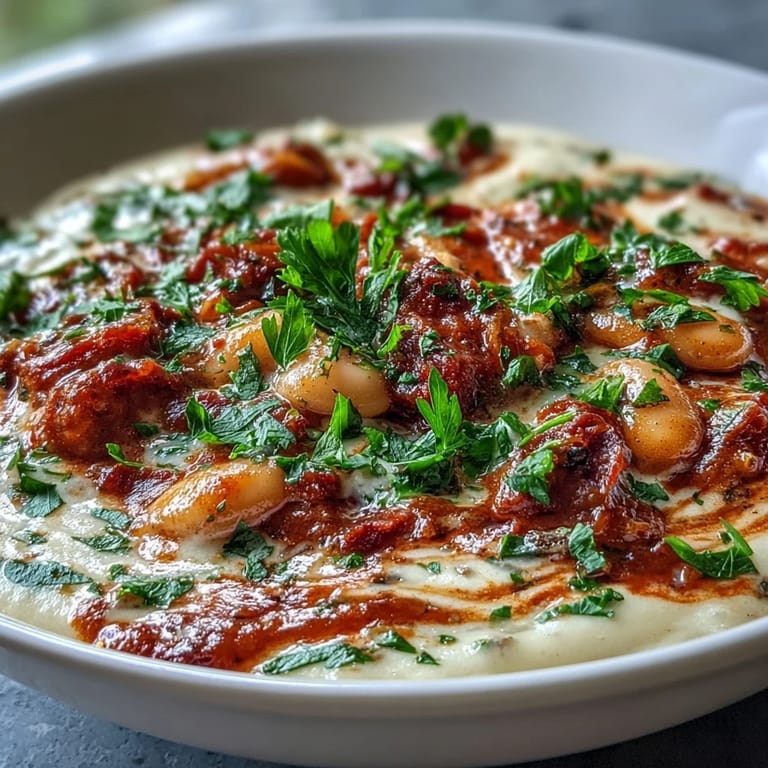
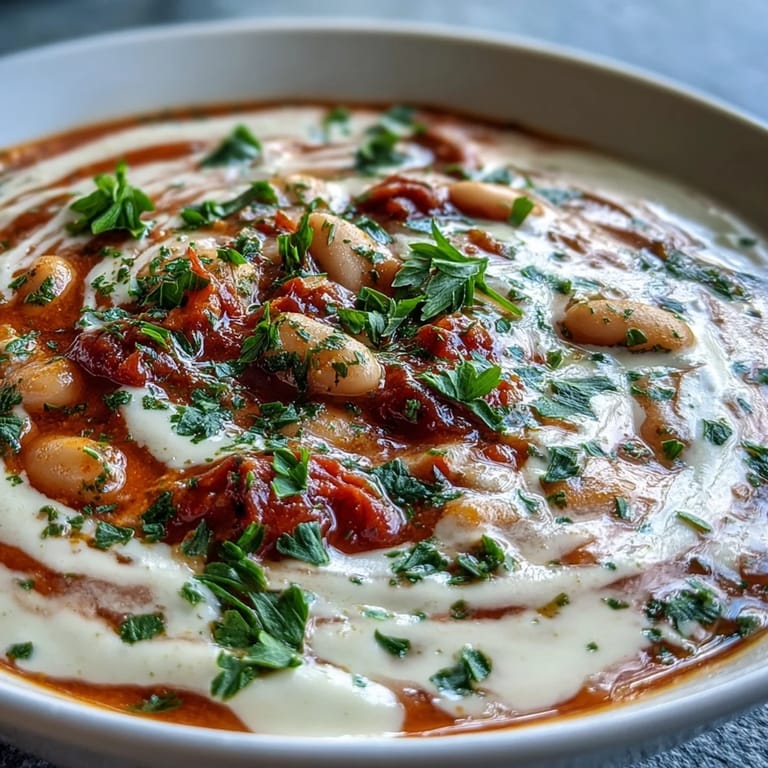
- Stir in your cream if you're using it, letting it swirl through the warm soup and create little clouds of richness. Taste it now and adjust your salt, pepper, or spices because this is your moment to make it exactly what you want.
- Serve with intention:
- Ladle the soup into bowls and scatter fresh parsley or basil over the top, then maybe drizzle a tiny bit more olive oil if you're feeling generous to yourself.
 Save
Save This soup showed up at a dinner party I hosted during an unseasonably cold spring, and somehow it became the conversation starter instead of any of the fancier dishes I'd spent hours on. People came back for seconds, and for thirds, and I realized that sometimes the most elegant thing you can serve is something that tastes like it was made with genuine affection rather than Instagram aspirations.
The Bean Question
Cannellini beans are my preference because they're creamy and almost melt when blended, but I've made this with great northern beans, navy beans, and even white kidney beans, and each one works beautifully. The important part is that they're white beans, because they blend into an almost silky consistency and don't have the earthiness of darker varieties. If you're using dried beans instead of canned, you'll need to cook them first, which adds time but deepens the flavor considerably if you're willing to plan ahead.
Variations That Work
This soup is forgiving enough to welcome additions without losing its essential character. I've stirred in handfuls of spinach or kale at the very end, letting them wilt right into the heat, and the soup becomes even more nourishing. Sometimes I add a splash of balsamic vinegar for subtle depth, or a pinch of fennel seed if I'm feeling adventurous, and once I even added a parmesan rind while it simmered, which contributed a savory richness that lingered on the palate.
 Save
Save This soup has become my answer to so many kitchen dilemmas, and I hope it becomes one of yours too. It's the kind of dish that reminds you why cooking for yourself and others matters so much.
Recipe FAQ
- → Can I use dried beans instead of canned?
Yes, soak 1 cup dried white beans overnight, then cook them in boiling water for 60-90 minutes until tender before adding to the soup. You'll need about 3 cups cooked beans to replace the canned ones.
- → How long does this soup keep in the refrigerator?
The soup stores well in an airtight container for 4-5 days. The flavors often develop and taste even better the next day. Reheat gently on the stove, adding a splash of broth or water if it has thickened.
- → Can I freeze this soup?
Absolutely. Cool completely before transferring to freezer-safe containers. It will keep for up to 3 months. Thaw overnight in the refrigerator and reheat on the stovetop. If you added cream, the texture may change slightly upon freezing.
- → What type of beans work best?
Cannellini (white kidney beans) are ideal due to their creamy texture and mild flavor. Great Northern beans or navy beans are excellent alternatives. Avoid using garbanzo beans as they have a different texture and stronger flavor.
- → How can I make this soup more filling?
Add diced potatoes during the simmering stage, stir in cooked pasta like small shells or ditalini, or serve with a generous slice of crusty bread. You can also add chopped spinach or kale in the last 5 minutes of cooking for extra nutrition.
- → Is an immersion blender necessary?
Not at all. You can transfer the cooled soup in batches to a countertop blender, pulsing until smooth. Work carefully with hot liquids—never fill the blender more than halfway, and remove the center cap to let steam escape while covering with a kitchen towel.