 Save
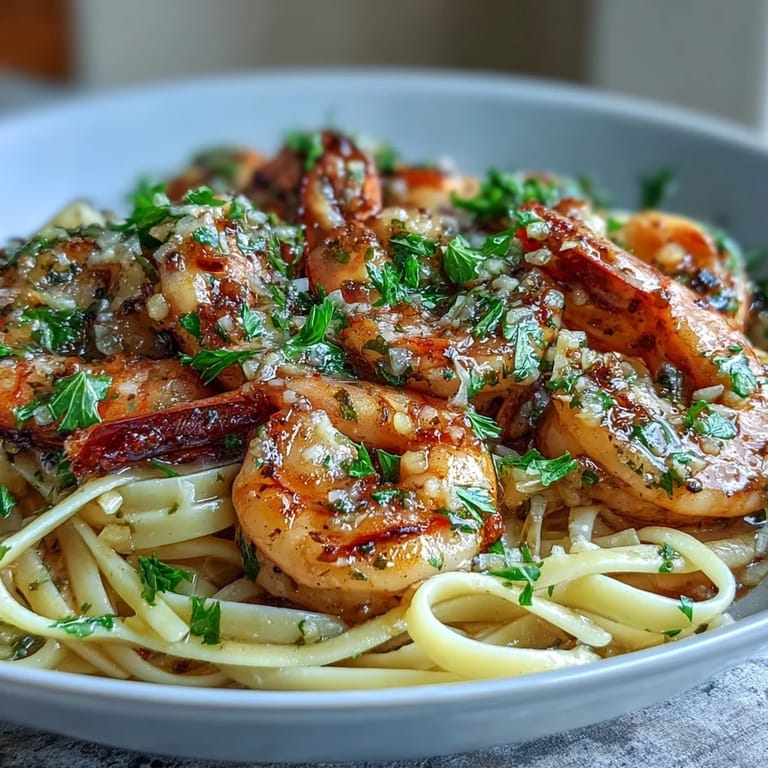
Save There's something about the smell of garlic hitting hot butter that makes you feel like you're cooking in a proper Italian kitchen, even if you're just in your small apartment on a Tuesday night. I discovered shrimp scampi by accident when a friend canceled dinner plans and I had linguine and shrimp staring at me from the fridge, daring me to figure something out. Twenty minutes later, I was twirling pasta on a fork and realizing I'd stumbled onto one of those dishes that tastes far more complicated than it actually is. The combination of tender shrimp, silky sauce, and bright lemon juice became my go-to whenever I needed to feel like I'd accomplished something special in the kitchen without actually spending hours there.
I made this for my partner on a random Thursday when I wanted to prove that restaurant-quality food doesn't require a restaurant-sized stress level. They walked in to find the kitchen steamed up, the pan sizzling, and that unmistakable scent of garlic and white wine that made them immediately suspicious I'd been planning something fancy. By the time we sat down with our bowls, they understood it was the kind of meal that makes an ordinary evening feel like a small celebration.
Ingredients
- Large shrimp, peeled and deveined: Use 1 pound (450 g) and pat them completely dry before cooking—this is your secret to golden, properly cooked shrimp instead of rubbery ones that release water into your sauce.
- Linguine: 12 ounces (340 g) cooked until al dente—it'll keep cooking slightly when you toss it with the hot sauce, so don't cook it too far ahead.
- Unsalted butter: 4 tablespoons total, divided into portions so you can build the sauce in layers rather than dumping it all in at once.
- Extra-virgin olive oil: 3 tablespoons combined with the butter creates a richer cooking medium than either ingredient alone could achieve.
- Garlic, finely minced: 5 cloves will fill your kitchen with that irresistible aroma, but watch closely because garlic burns fast and bitter garlic ruins everything.
- Red pepper flakes: 1/4 teaspoon optional, but a tiny whisper of heat wakes up all the other flavors without overwhelming the delicate shrimp.
- Dry white wine: 1/2 cup that you'd actually drink—bad wine makes bad sauce, so skip the cooking wine labeled as such.
- Fresh lemon juice: 2 tablespoons squeezed right before you need it, plus zest from 1 lemon for a brightness that canned juice simply cannot deliver.
- Fresh parsley, chopped: 1/4 cup split between cooking and garnish—it's fresh herbal lift that makes people think you're a better cook than you probably are.
- Salt and freshly ground black pepper: To taste throughout, because seasoning is not a one-time event but an ongoing conversation with your food.
Tired of Takeout? 🥡
Get 10 meals you can make faster than delivery arrives. Seriously.
One email. No spam. Unsubscribe anytime.
Instructions
- Start your pasta water:
- Fill a large pot with salted water—it should taste like the sea—and bring it to a rolling boil before adding linguine. You'll cook it according to package directions until it's al dente, which means still slightly firm when you bite it.
- Prepare your shrimp:
- Pat each shrimp dry with paper towels as if you're prepping them for a photo shoot, then season lightly with salt and pepper. Dry shrimp will brown beautifully; wet ones will steam and sulk in the pan.
- Build your garlic-infused base:
- In a large skillet over medium heat, melt 2 tablespoons butter with 2 tablespoons olive oil, then add minced garlic and red pepper flakes if you're using them. Sauté for about 1 minute until the garlic becomes fragrant and golden but stops short of turning brown—this is the moment you'll recognize because your kitchen will smell restaurant-quality.
- Sear the shrimp:
- Arrange the shrimp in a single layer in the skillet and resist the urge to move them for the first minute. Flip after 1 to 2 minutes, cook another minute on the second side, then transfer to a plate—they'll be opaque and pink, which is exactly when they're done.
- Deglaze and reduce:
- Pour the white wine and lemon juice into the hot pan and immediately scrape up those beautiful browned bits stuck to the bottom. Let the liquid bubble and reduce for 2 to 3 minutes until it looks slightly less liquid and smells more concentrated.
- Finish the sauce:
- Add the remaining 2 tablespoons butter and 1 tablespoon olive oil, stirring until they melt into the wine mixture and create something silky and luxurious. This final addition of fat is what transforms the pan sauce from thin and sharp into something that coats pasta like liquid gold.
- Bring everything together:
- Return the cooked shrimp and any accumulated juices to the skillet, then add the lemon zest and half the fresh parsley. Toss everything to coat evenly with sauce.
- Combine with pasta:
- Drain your linguine and add it directly to the skillet, tossing well to ensure every strand gets coated. Add reserved pasta water a splash at a time until the sauce reaches your preferred consistency—it should look like it's coating the pasta rather than pooling at the bottom.
- Taste and serve:
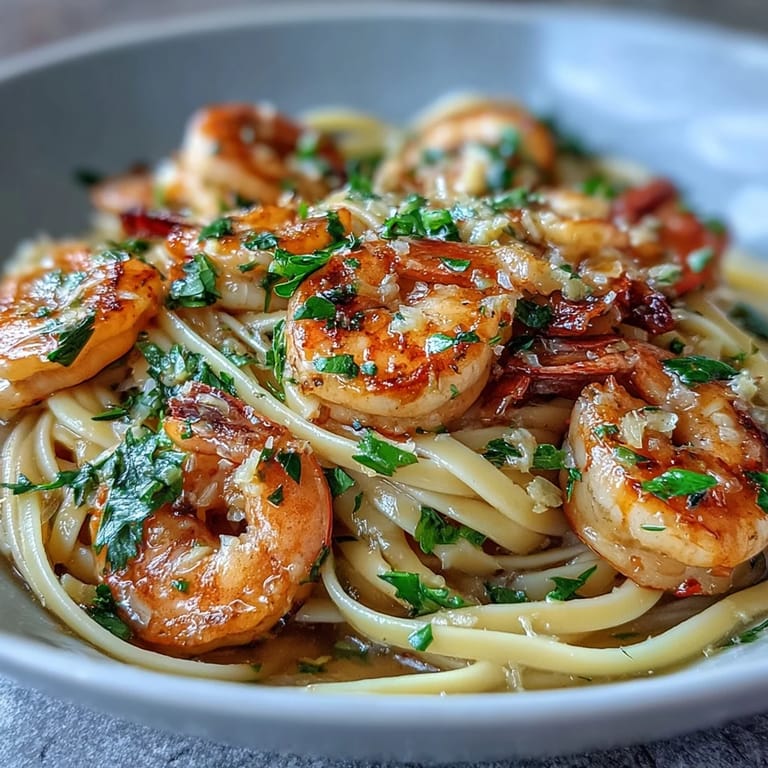
- Taste for seasoning and adjust salt and pepper as needed, then plate immediately while everything is still hot. Garnish each bowl with remaining parsley and lemon wedges.
 Save
Save This dish became something special the evening a friend who claimed to not like seafood asked for seconds. Watching them twirl that fork and taste something they never expected to enjoy reminded me that good food doesn't convince people to like things they don't—it just creates a moment where everything tastes a little better than usual.
The Science of Shrimp
Shrimp cook incredibly fast because they're mostly protein with very little connective tissue, which means the window between perfectly tender and rubbery is genuinely tiny. I learned this the hard way by overcooking the first batch I ever made, but once you understand that shrimp stops cooking the moment you remove it from heat, you'll time it perfectly every time. The key is not panicking and remembering that 1 to 2 minutes per side is genuinely enough.
Wine Selection Matters
Your sauce tastes like the wine you use, so resist any urge to reach for a bottle labeled cooking wine, which somehow manages to be both cheaper and worse than actual wine. A crisp white like Pinot Grigio, Sauvignon Blanc, or even an unoaked Chardonnay gives the sauce brightness and complexity that people will taste even if they don't know what it is. Pour a glass for yourself while you cook because the whole point of making restaurant food at home is enjoying the process, not just the result.
Making It Your Own
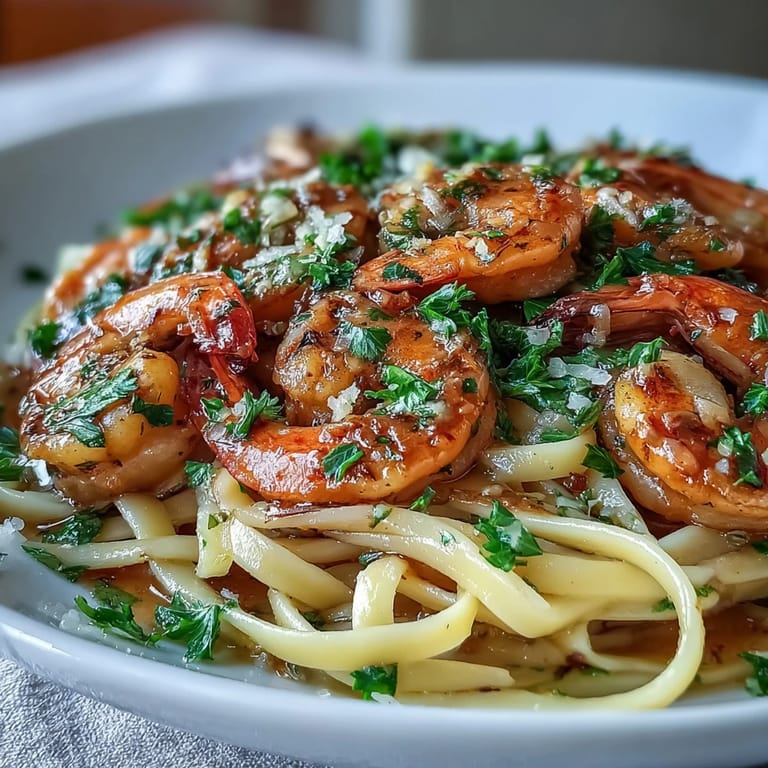
Once you've made this the traditional way and feel confident with the techniques, the dish becomes a canvas for whatever sounds good in that moment. Some nights I add halved cherry tomatoes for a pop of color and acidity, other times I toss in a handful of fresh spinach at the very end for something green without any real effort. The foundation is so solid that variations feel like creativity rather than improvisation.
- Substitute spaghetti or fettuccine if linguine isn't what you have on hand.
- Add a handful of cherry tomatoes halved in step 3 for a fresher version.
- A splash of heavy cream stirred in at the end creates a more luxurious, less bright sauce.
 Save
Save This is the dish I make when I want to feel capable in the kitchen without spending my whole evening there. It's proof that good food doesn't require complicated techniques or obscure ingredients—just attention, proper timing, and enough butter to make anyone happy.
Recipe FAQ
- → Can I use frozen shrimp for this dish?
Yes, frozen shrimp works perfectly. Thaw them completely in the refrigerator overnight or under cold running water. Pat them thoroughly dry with paper towels before cooking to ensure proper browning and prevent excess water from diluting the sauce.
- → What type of white wine should I use?
Choose a dry white wine you'd enjoy drinking, such as Pinot Grigio, Sauvignon Blanc, or unoaked Chardonnay. Avoid sweet wines as they can make the sauce overly sugary. The wine adds acidity and depth to balance the richness of the butter.
- → How do I prevent the garlic from burning?
Cook the garlic over medium heat and watch it carefully. It should become fragrant in about 1 minute but not brown. If it starts browning, immediately add the shrimp or wine to stop the cooking process. Burnt garlic tastes bitter and can ruin the dish.
- → Can I make this ahead of time?
This dish is best served immediately for optimal texture and flavor. The shrimp can become rubbery when reheated, and the pasta may absorb too much sauce. If needed, you can prep ingredients in advance and cook everything fresh just before serving.
- → What can I serve alongside this dish?
A simple green salad with vinaigrette, garlic bread, or roasted vegetables like asparagus or broccolini complement this pasta beautifully. The sides should be light to balance the richness of the buttery sauce.
- → How do I know when the shrimp are perfectly cooked?
Shrimp are done when they turn pink and opaque throughout, forming a loose C-shape. This typically takes 1-2 minutes per side. Avoid overcooking as shrimp become tough and rubbery. They'll continue cooking slightly when returned to the hot sauce.