 Save
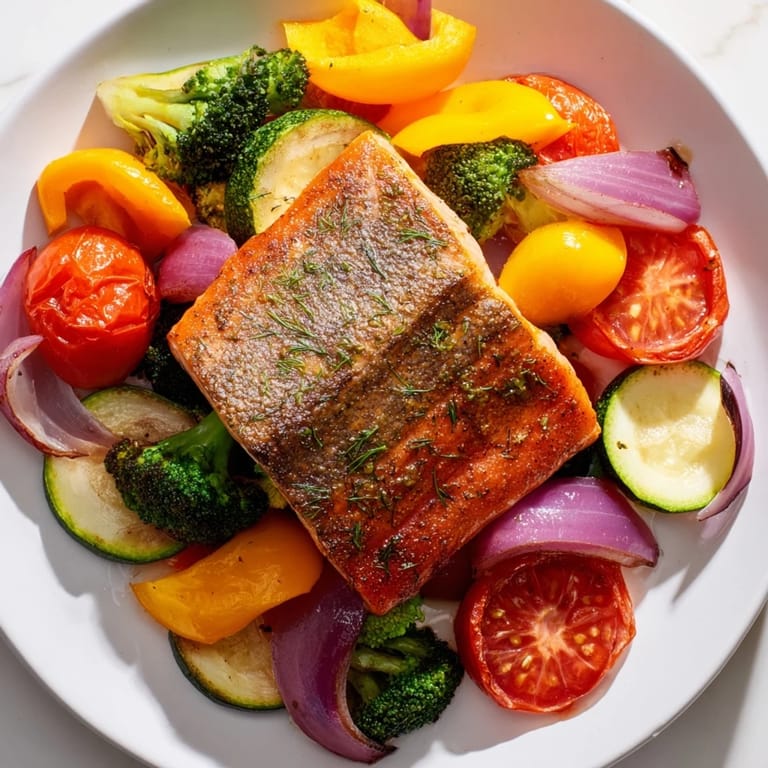
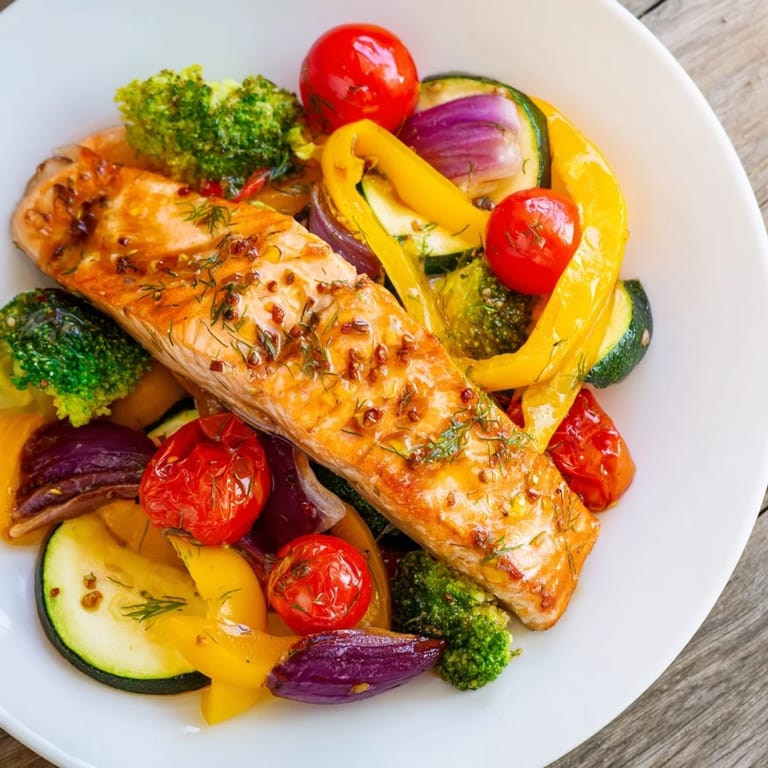
Save There's something almost meditative about sliding a sheet pan into the oven and knowing that dinner will practically cook itself. I discovered this salmon bake on one of those weeknights when I had good ingredients but zero patience for multiple pans and a sink full of dishes. The lemon and dill hit me first—that bright, herbaceous aroma that fills your kitchen in under 20 minutes—and I realized I'd stumbled onto something both elegant and effortless.
I made this for my sister's surprise dinner party last spring, and she texted me the next day saying she'd made it three times already. She swore I'd given her some secret ingredient, but it was just the combination of good timing, hot heat, and not overthinking it. That's when I knew this recipe had staying power.
Ingredients
- Salmon fillets (4 pieces, 6 oz each): Look for firm flesh with a slight sheen—that's the sign of freshness that makes all the difference in texture and taste.
- Olive oil (2 tbsp): This creates the base for your herb oil, so use something you actually enjoy tasting, not the cheapest bottle.
- Lemon (zested and juiced): The zest gives you that concentrated citrus punch without extra moisture that can make the salmon soggy.
- Fresh or dried dill (1 tbsp fresh or 1 tsp dried): Fresh dill is worth seeking out here because it transforms from herb to flavor anchor once it hits the heat.
- Garlic powder (1 tsp): I learned to use powder rather than fresh cloves—they won't burn on the high heat and distribute more evenly.
- Bell peppers, red and yellow (1 each, sliced): The two colors aren't just pretty; they cook at the same rate and bring both sweetness and structure.
- Red onion (1 small, wedged): The natural sugars caramelize beautifully, and the color stays vibrant through roasting.
- Zucchini (1 medium, sliced): Cut it into rounds rather than half-moons so each piece has a flat side to catch heat and develop those golden edges.
- Cherry tomatoes (1 cup, halved): Halving them exposes more surface area for the heat to work with, creating concentrated flavor.
- Broccoli florets (1 cup): These should be roughly the same size so they finish cooking together—smaller pieces dry out while larger ones lag behind.
- Salt and black pepper: Season generously; the vegetables need enough salt to taste like themselves.
Tired of Takeout? 🥡
Get 10 meals you can make faster than delivery arrives. Seriously.
One email. No spam. Unsubscribe anytime.
Instructions
- Heat your oven and prep the stage:
- Set the temperature to 425°F and line your sheet pan with parchment or foil while it preheats. This matters more than it sounds—a hot oven gives you that crucial high heat needed for browning without drying out the salmon.
- Build your herb oil:
- Whisk the olive oil, lemon zest, lemon juice, dill, garlic powder, salt, and pepper together in a small bowl. The mixture should smell immediately bright and aromatic—that's your signal that the flavors are marrying together.
- Season and arrange the vegetables:
- Spread your vegetables across the sheet pan and drizzle with half the herb oil, then toss everything together with your hands so every piece gets coated. This is the moment where you're thinking about how pieces will nestle together and where they'll have room to brown.
- Nestle the salmon and finish the oil:
- Place the salmon fillets among the vegetables, spacing them so they're not touching the pan edges and can get heat from all sides. Brush the remaining herb oil over each fillet, paying special attention to the top where it'll caramelize slightly.
- Roast until everything comes together:
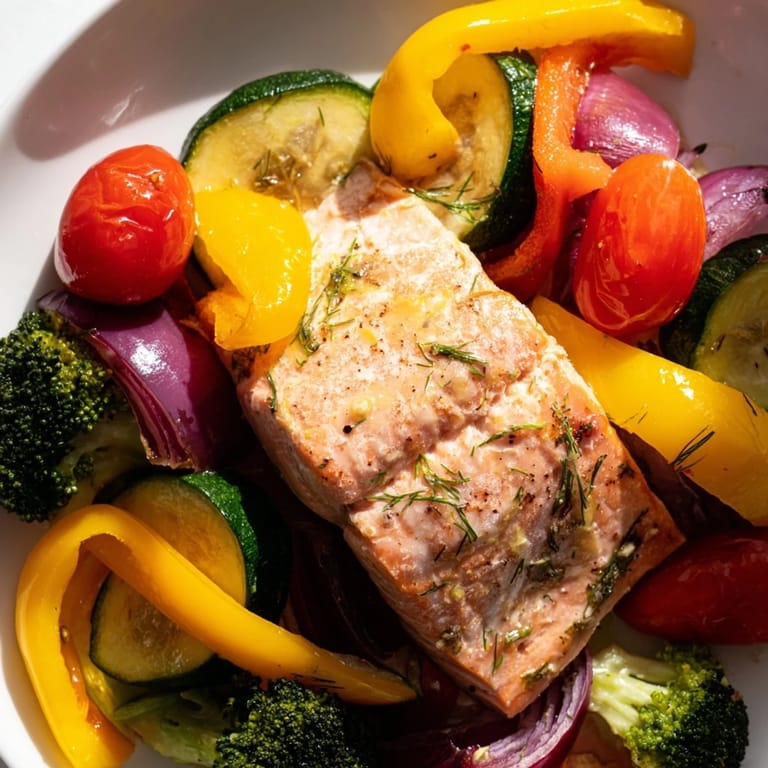
- Slide the pan into the oven for 18 to 20 minutes—the salmon should flake easily when you test it with a fork, and the vegetables should be tender with caramelized edges. If your oven runs cool or your fillets are thicker than usual, add a few minutes, but don't exceed 22 or the salmon starts tightening up.
- Finish and serve:
- Pull the pan out, scatter fresh parsley over the top if you have it, and add lemon wedges to the side. Serve immediately while everything is still steaming and the flavors are at their peak.
 Save
Save There was this one time I made this for someone who said they'd never liked salmon, and afterward she admitted the gentle roasting and the way the lemon brought out the natural sweetness changed her mind entirely. That's when I understood that this recipe doesn't just feed people—it convinces them that healthy cooking doesn't have to feel like deprivation.
Vegetable Swaps and Seasonality
The beauty of this sheet pan is its flexibility—whatever vegetables are in season and look fresh at your market will work beautifully here. In summer I lean toward asparagus, green beans, and snap peas; in fall I add cubed sweet potato and Brussels sprouts. The cooking time might shift by a couple minutes depending on the size and density of what you choose, so just keep an eye on things around the 15-minute mark.
Why Sheet Pan Cooking Changes Everything
Once you realize that high heat, all at once, in one place actually creates better flavor than keeping things separate, you start seeing sheet pan potential everywhere. The vegetables brown and caramelize in their own space while the salmon steams gently in the center, and somehow everything tastes more intense and interesting than if you'd cooked them apart. It's one of those cooking lessons that took me longer to understand than it should have, but once it clicked, I never went back.
Flavor Additions and Finishing Touches
If you're looking to elevate this without much effort, consider what you might add in the final moments before serving. A sprinkle of feta cheese adds a salty tang that plays beautifully with the lemon, or a small handful of capers brings a briny punch that makes the salmon taste even more complex. Some nights I add a drizzle of good finishing oil or a shower of fresh herbs, but honestly, the recipe works perfectly as-is too.
- Feta or goat cheese crumbled over the top transforms this into something that feels special enough for guests.
- A splash of white wine poured over the vegetables before roasting deepens their flavor in a subtle but noticeable way.
- Fresh tarragon or chives scattered at the end add a delicate note that changes the character of the dish entirely.
 Save
Save This recipe has become my quiet weeknight hero because it proves that feeding yourself well doesn't require complexity or stress. Every time I make it, I'm reminded that the best meals are the ones that come together without drama and taste like you actually tried.
Recipe FAQ
- → What is the best way to ensure the salmon stays moist?
Brushing the salmon with olive oil mixed with lemon juice and herbs before roasting helps maintain moisture and adds flavor.
- → Can I use different vegetables with this dish?
Absolutely. Seasonal vegetables such as asparagus, green beans, or carrots can be swapped in depending on preference or availability.
- → How do I know when the salmon is fully cooked?
Cook until the salmon flakes easily with a fork and appears opaque throughout, typically about 18-20 minutes at 425°F (220°C).
- → Is it necessary to line the sheet pan?
Lining the pan with parchment paper or foil makes cleanup easier and prevents sticking, but it's not strictly necessary if the pan is well-seasoned.
- → What wines pair well with this dish?
Light and crisp white wines like Sauvignon Blanc or Chardonnay complement the flavors and the lightness of the dish.