 Save
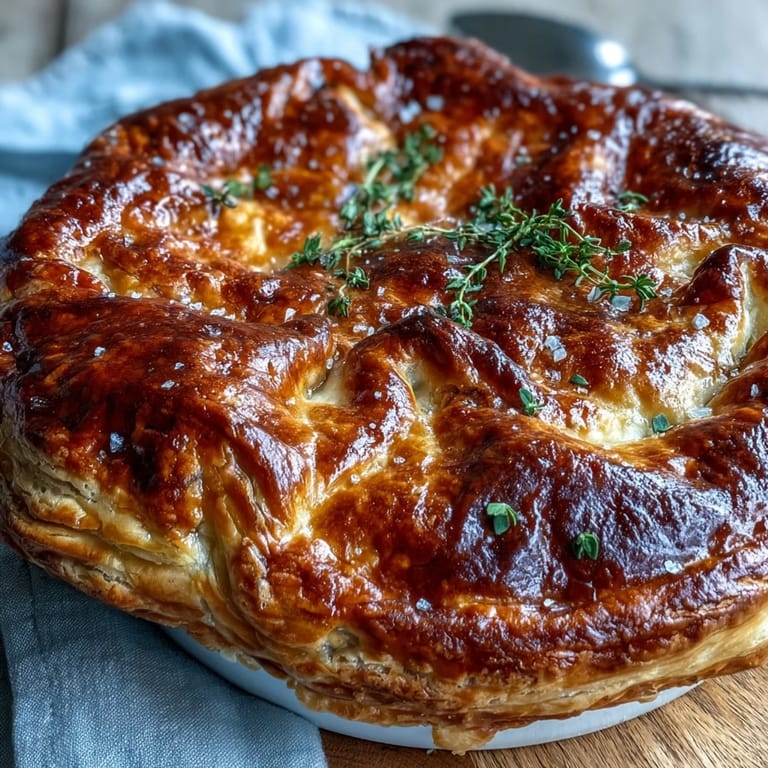
Save My kitchen smelled like burnt bacon the first time I attempted this pie—turns out I'd walked away mid-sear to answer a phone call, and there's only so much forgiveness a strip of lardons can offer. But that mistake led me to discover that the real magic happens when you don't rush the leeks, letting them soften into something almost sweet beneath that smoky depth. Now, whenever someone mentions comfort food, this is what comes to mind: a golden pastry crust catching the light, cream sauce pooling just slightly at the edges, and the kind of quiet satisfaction that comes from knowing you've nailed it.
I made this for a dinner party on one of those English autumn evenings where the weather can't decide what it wants to be, and my friend Sarah took one bite and actually closed her eyes like she was remembering something important. That's when I realized this wasn't just food—it was the kind of dish that makes people put their phones away and actually talk to each other.
Ingredients
- Chicken thighs (500 g): They're more forgiving than breast meat and stay incredibly tender, plus they have enough fat to keep things moist as everything cooks down together in the sauce.
- Smoked bacon lardons (100 g): If you can't find lardons, regular diced bacon works fine, but try to find the smoked variety—it's that subtle smokiness that makes people ask what your secret ingredient is.
- Leeks (2 large): Clean them thoroughly by slicing lengthwise first, then running water between the layers where grit loves to hide, and slice into rounds just before cooking.
- Carrots and celery (2 medium carrots, 2 stalks): These build the flavor base, so don't skip them even though the leeks might seem like the star.
- Garlic (2 cloves): Mince it fine and add it after the vegetables soften so it doesn't burn and turn bitter.
- Unsalted butter and flour (50 g butter, 40 g flour): This is your roux—the foundation that thickens the sauce, so stir it constantly for that full minute to cook out the raw flour taste.
- Milk and cream (400 ml milk, 200 ml double cream): The combination of both creates a sauce that's rich without being heavy, and the cream adds a subtle sweetness that balances the mustard.
- Chicken stock (200 ml): Use good quality stock if you have it—it matters more here than it might in other dishes because there's nowhere to hide.
- Dijon mustard and thyme (1 tsp each): The mustard adds a gentle tang that you won't identify but will definitely taste, while fresh thyme is worth hunting down over dried.
- Puff pastry (1 sheet, about 320 g): Ready-rolled is absolutely fine and saves the mental load, though if you're using block pastry, let it come to room temperature before unrolling.
- Egg (1, beaten): This egg wash is what gives you that gorgeous golden shine, so don't skip it even though it feels optional.
Tired of Takeout? 🥡
Get 10 meals you can make faster than delivery arrives. Seriously.
One email. No spam. Unsubscribe anytime.
Instructions
- Get your bacon golden:
- Heat your large frying pan over medium heat and let the bacon cook slowly until it's crisp and the fat has rendered out, which takes about 5-7 minutes if you're patient and resist the urge to crank the heat. Remove it with a slotted spoon and set it on a plate lined with paper towel—you want to keep that fat in the pan because it's liquid gold for searing the chicken.
- Sear the chicken until it's burnished:
- Using the same pan with all that bacon fat still clinging to the bottom, add your chicken pieces in a single layer and let them sit undisturbed for about 2-3 minutes so they get a proper golden crust. Toss them around and cook for another 3-4 minutes until they're browned on all sides, then transfer to a clean plate.
- Build your flavor base with the vegetables:
- Add a knob of butter to that same pan and let it foam slightly, then add your onion and let it soften for a minute before adding the leeks, carrots, and celery. Stir occasionally and let everything cook down gently for 8-10 minutes until the vegetables are soft enough to break apart easily with your spoon, then add the minced garlic for just one more minute.
- Make your roux and avoid lumps:
- Sprinkle the flour over the vegetables and stir constantly for a full minute to cook out that raw flour taste and let it coat everything evenly. This is when your pan will look a bit pasty and thick, which is exactly right.
- Create your creamy sauce:
- Pour in your milk and stock slowly while stirring constantly, almost like you're coaxing them together rather than just dumping them in, and keep stirring as it heats through so no lumps form. Bring it to a gentle simmer and let it bubble softly for 3-4 minutes until it thickens enough to coat the back of a spoon.
- Bring everything back together:
- Stir in the cooked bacon, chicken, cream, mustard, and thyme, then taste and season generously with salt and pepper—this is your last chance to adjust before it goes into the pie dish. Let it cool for about 10 minutes so the pastry doesn't start cooking on the bottom before the filling has cooled.
- Top with pastry and seal:
- Pour your filling into your pie dish and unroll the pastry over the top, pressing the edges down gently to seal them and create a rim that'll hold steam in as it bakes. Cut three or four small slits in the top to let steam escape, and brush everything with your beaten egg so it turns that deep golden brown.
- Bake until golden and crisp:
- Into a 200°C (400°F) oven for 30-35 minutes, and you're looking for the pastry to be puffed and deeply golden—if it's browning too fast, you can tent it loosely with foil. Let it sit for 5 minutes when it comes out so the filling can settle slightly and become easier to portion.
 Save
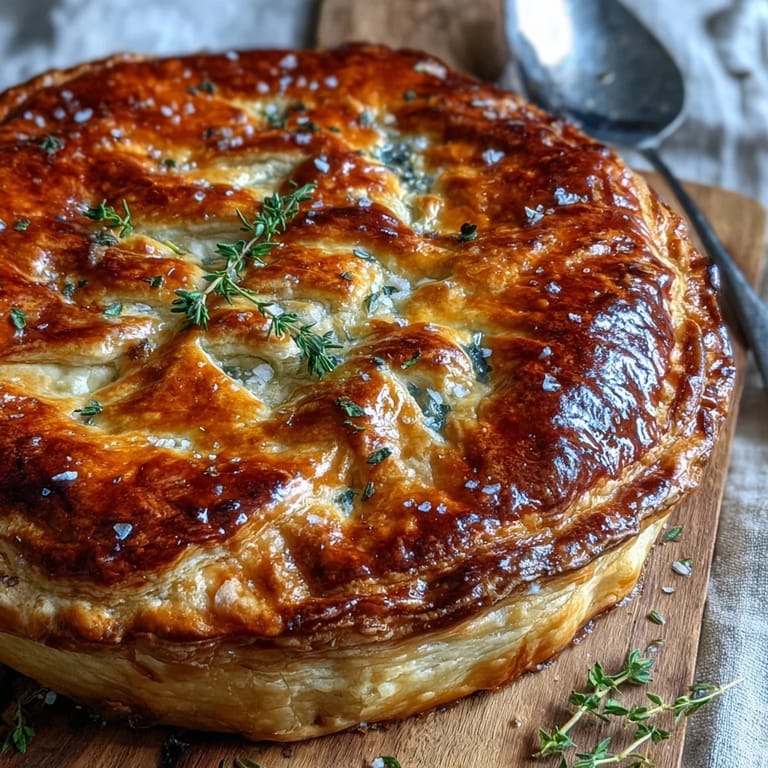
Save There's a moment when you pull this pie from the oven and the kitchen fills with that particular aroma of buttery pastry and cream sauce that somehow smells like home, even if it's your first time making it. That's when you know you've created something worth the effort.
Why Leeks Matter More Than You Think
I used to think leeks were just mild onions, but they're actually their own thing entirely—softer, sweeter, and almost silky when they're cooked down properly. In this pie, they're not a background player; they're what keeps the filling interesting and prevents it from tasting one-note. They also have this subtle sweetness that plays beautifully against the Dijon mustard and smoky bacon, creating a flavor profile that feels balanced and somehow fancy without any pretense.
Making It Ahead (Yes, You Can)
One of my favorite things about this pie is that you can make the entire filling the morning of and keep it in the fridge, then just top it with pastry and pop it in the oven when you're ready to eat. The flavors actually deepen as everything sits together, so you're not sacrificing anything by planning ahead. Just make sure the filling is completely cold before you add the pastry, or the bottom won't crisp up properly.
Serving Suggestions and Seasonal Variations
I serve this with buttery mashed potatoes on winter nights and with a sharp green salad during spring when I want something slightly lighter but still deeply satisfying. Some nights I add a handful of frozen peas to the filling just before it goes into the pie dish—they stay bright green and add a little sweetness that makes the whole thing feel more complete. You could also try stirring in a splash of dry white wine instead of some of the milk if you want the sauce to feel a bit more sophisticated and less cream-heavy.
- Frozen peas add color and sweetness if you want to incorporate them without extra prep.
- A crisp green salad on the side cuts through the richness beautifully, especially in warmer months.
- Leftover pie is somehow even better the next day, warmed through gently in a 160°C oven until the pastry crisps back up.
 Save
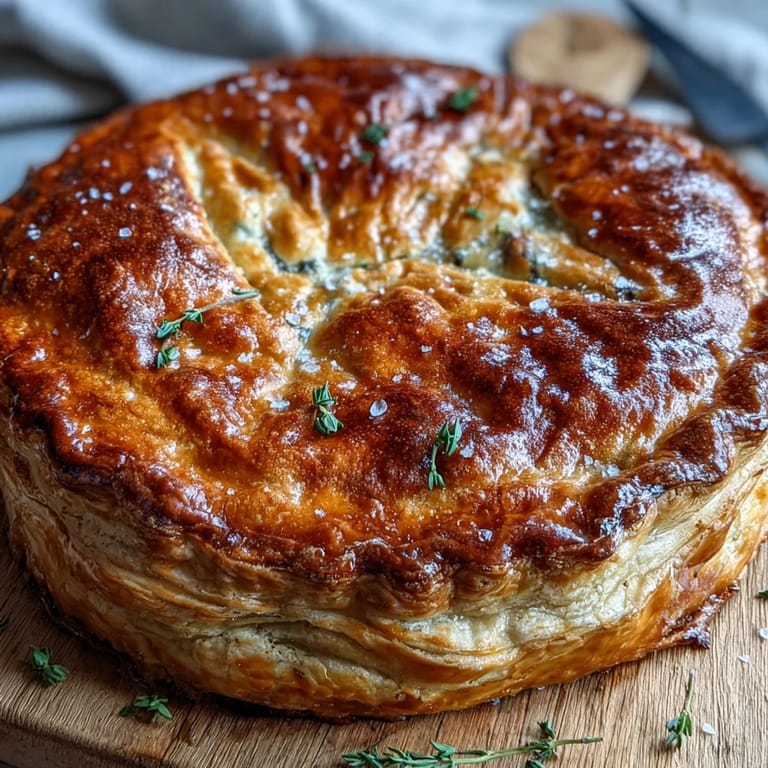
Save This chicken and leek pie has become the dish I make when someone I love is having a difficult week, because there's something about putting real thought and care into a homemade meal that says more than any words could. Every time I make it, I'm reminded that the best recipes aren't the ones that sound the most complicated—they're the ones that bring people together around your table.
Recipe FAQ
- → Can I prepare the filling in advance?
Absolutely. The filling can be made up to 24 hours ahead and stored in the refrigerator. Cool completely before covering and chilling. Assemble with fresh pastry just before baking for the crispest results.
- → What's the best way to prevent a soggy bottom?
Ensure the filling has cooled slightly before adding the pastry—hot filling can melt the butter in the dough. You can also brush the pie dish with beaten egg before adding the pastry to create a seal. Baking on the lower oven rack initially helps crisp the bottom crust.
- → Can I freeze this pie?
Yes, freeze unbaked for up to 3 months. Wrap tightly in foil and plastic wrap. Bake from frozen, adding 15-20 minutes to the cooking time. Alternatively, freeze leftover baked portions in airtight containers for up to 2 months.
- → What vegetables work well in the filling?
Beyond leeks, carrots, and celery, consider adding frozen peas for sweetness and color. Mushrooms complement the creamy sauce beautifully, while parsnips add earthy notes. Keep vegetables cut small for even cooking.
- → Can I use shortcrust pastry instead of puff?
Certainly. Shortcrust provides a more traditional, sturdy base and richer flavor. Use it for the entire pie or just the bottom layer with puff pastry on top for a lighter, flakier finish. Both variations are delicious.
- → How do I know when the pie is fully cooked?
The pastry should be deeply golden all over, and you should see steam escaping from the vents. The filling should be bubbling visibly around the edges. If the pastry browns too quickly, cover loosely with foil for the remaining baking time.