 Save
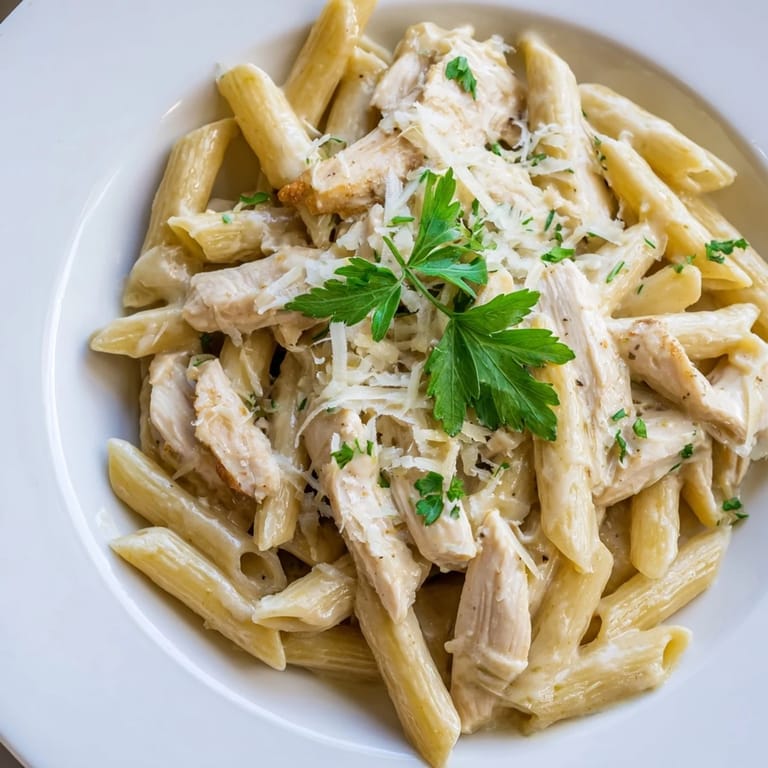
Save The smell hit me first, sweet and mellow, almost caramelized, nothing like the sharp bite of raw garlic. I had thrown a whole head into the oven on a whim, foil-wrapped and forgotten until the timer pulled me back. When I squeezed those soft, golden cloves into my cream sauce, the kitchen transformed. That night, my sister declared it the best pasta I'd ever made, and I've been roasting garlic ever since.
I made this for a small dinner party once, and my friend who claimed she hated cream sauces asked for seconds. She said it tasted lighter than she expected, more aromatic than heavy. I think the roasted garlic does that, it softens the richness and adds a warmth that feels less like indulgence and more like comfort. Now, whenever I need to win someone over at the table, this is what I make.
Ingredients
- Boneless, skinless chicken breasts: I roast them alongside the garlic so everything finishes at once, and slicing them thin helps the sauce cling better.
- Penne pasta: The ridges and hollow center trap the creamy sauce perfectly, but rigatoni or ziti work just as well if that is what you have.
- Head of garlic: Roasting turns it golden and spreadable, with a sweetness that transforms the entire dish.
- Olive oil: Just a drizzle keeps the garlic from drying out while it roasts in the foil.
- Unsalted butter: This is the base of the roux, and using unsalted lets you control the seasoning precisely.
- All-purpose flour: Whisked with butter, it thickens the sauce without any lumps if you stir constantly.
- Whole milk: It adds body without making the sauce too heavy, though you can use 2% if you prefer.
- Heavy cream: This is what makes the sauce silky and luxurious, coating the pasta like a soft blanket.
- Parmesan cheese: Freshly grated melts smoothly into the sauce, adding a salty, nutty richness.
- Salt and black pepper: Simple seasoning that lets the roasted garlic shine through.
- Crushed red pepper flakes: Optional, but a pinch adds a gentle warmth that balances the creaminess beautifully.
- Fresh parsley: Chopped and scattered on top, it adds color and a fresh, herbal note to finish.
Tired of Takeout? 🥡
Get 10 meals you can make faster than delivery arrives. Seriously.
One email. No spam. Unsubscribe anytime.
Instructions
- Roast the garlic:
- Preheat your oven to 200 degrees Celsius and slice the top off the garlic head to expose the cloves. Drizzle with olive oil, wrap tightly in foil, and roast for 30 minutes until the cloves are soft, golden, and smell like heaven.
- Roast the chicken:
- Season the chicken breasts with salt and pepper, then place them on a baking sheet and roast alongside the garlic for 22 to 25 minutes. Let them rest before slicing thinly so the juices stay inside.
- Cook the pasta:
- Boil the penne in salted water until al dente, then drain and set aside. Reserve about half a cup of the starchy pasta water, it will help loosen the sauce later.
- Prepare the roasted garlic paste:
- Once the garlic is cool enough to handle, squeeze the soft cloves out of their skins and mash them into a smooth paste with a fork.
- Make the cream sauce:
- Melt butter in a large skillet over medium heat, whisk in the flour, and cook for a minute until it smells nutty. Gradually pour in the milk and cream, whisking constantly until the sauce thickens, about 3 to 4 minutes.
- Add the roasted garlic and cheese:
- Stir in the mashed garlic, Parmesan, salt, pepper, and red pepper flakes if using. Keep stirring until the cheese melts and the sauce turns glossy and smooth.
- Toss everything together:
- Add the sliced chicken and cooked penne to the skillet, tossing gently to coat every piece in that silky sauce. If it feels too thick, add a splash of the reserved pasta water until it looks just right.
- Garnish and serve:
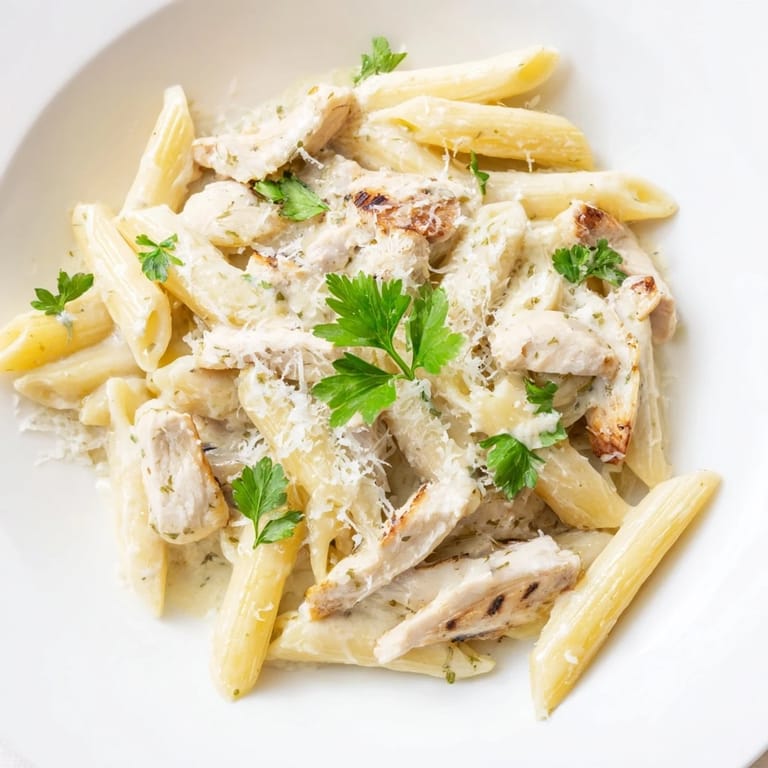
- Plate the pasta immediately, scatter fresh parsley over the top, and finish with extra Parmesan. Serve it hot, while the sauce is still clinging to every bite.
 Save
Save One evening, I made this for my partner after a long week, and we ate it straight from the skillet on the couch. No fancy plating, no table setting, just two forks and a bottle of wine. It became one of those meals that feels more like a hug than dinner, the kind you crave when the world feels too loud. Now, whenever we need that kind of comfort, this is what we make.
How to Store and Reheat
Leftovers keep in an airtight container in the fridge for up to three days, and honestly, the flavors get even better as the garlic settles into the sauce. When reheating, add a splash of milk or cream to bring back that silky texture, and warm it gently in a skillet over low heat. I have also reheated single portions in the microwave, stirring halfway through, and it works just fine. Just avoid high heat, or the sauce will break and turn grainy instead of smooth.
Variations to Try
I have stirred in sauteed mushrooms and fresh spinach more times than I can count, and both add earthy depth without overwhelming the garlic. If you want more protein, crispy bacon crumbled on top is a game changer. For a lighter version, swap half the cream for extra milk, and use whole wheat or gluten free penne. Sometimes I toss in sun dried tomatoes for a sweet, tangy contrast that cuts through the richness beautifully.
Pairing and Serving Suggestions
This pasta loves a crisp, chilled Pinot Grigio or a buttery Chardonnay, something bright enough to balance the creaminess. I usually serve it with a simple arugula salad dressed in lemon and olive oil, or garlic bread if I am feeling indulgent. On nights when I want something extra, roasted asparagus or green beans on the side add color and a slight bitterness that complements the sweet garlic perfectly.
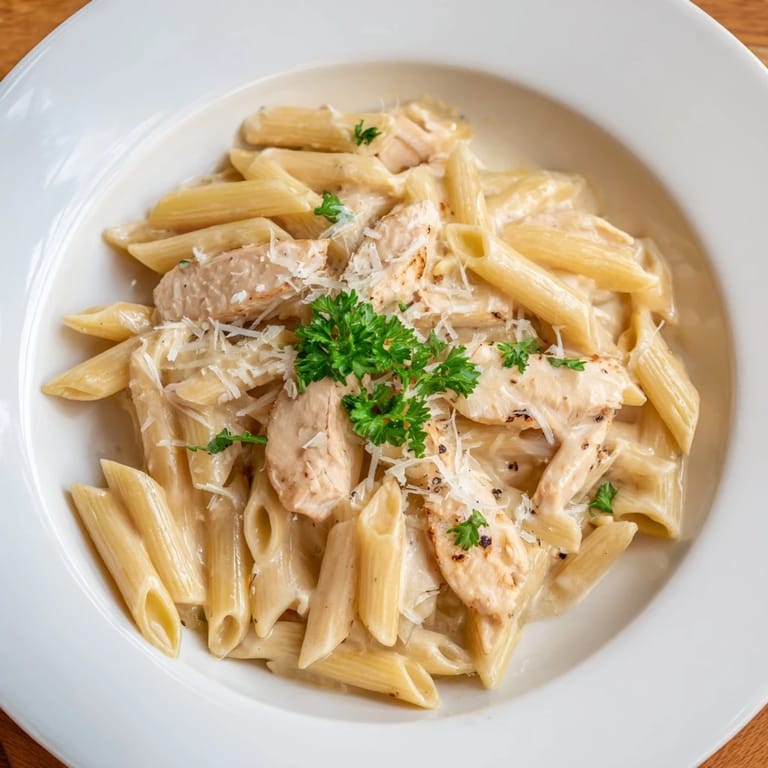
- Serve it hot, straight from the skillet, for the creamiest texture.
- Top with extra Parmesan and a drizzle of good olive oil for a restaurant finish.
- Pair with crusty bread to soak up every last bit of sauce on the plate.
 Save
Save This dish has become my answer to the question, what should I make tonight. It is rich enough to feel special, easy enough to make on a weeknight, and every time I roast that garlic, I am reminded why I fell in love with cooking in the first place.
Recipe FAQ
- → How do I prevent the cream sauce from breaking?
Whisk the milk and cream gradually into your roux over medium heat, stirring constantly. Keep the heat moderate and avoid boiling. If the sauce looks grainy, remove from heat and whisk in a splash of cold milk to smooth it out.
- → Can I make this ahead of time?
Yes, you can prepare the roasted garlic and cooked chicken several hours ahead. Assemble the pasta and sauce just before serving for the best texture and flavor. If preparing fully in advance, reheat gently on the stovetop with extra pasta water to loosen the sauce.
- → What's the best way to roast garlic?
Cut the top quarter off a whole garlic head, drizzle with olive oil, wrap tightly in foil, and roast at 200°C for 30 minutes until the cloves are soft and golden. Let cool slightly before squeezing the caramelized cloves from their skins to use as a smooth paste.
- → Can I substitute the heavy cream?
Yes, you can use half-and-half or a mixture of whole milk and sour cream. For a lighter version, try Greek yogurt or crème fraîche, though these can separate if overheated, so add them off the heat and stir gently.
- → How do I ensure the chicken is cooked through?
Use a meat thermometer to check that the internal temperature reaches 74°C (165°F). Boneless breasts typically take 22–25 minutes at 200°C. Let the chicken rest for 5 minutes after roasting before slicing to retain juices and tenderness.
- → What pasta alternatives work well?
Any short pasta shapes work beautifully—try rigatoni, fusilli, or farfalle. For gluten-free, use certified gluten-free penne. Longer pastas like fettuccine are less ideal as the sauce coats short shapes more evenly and elegantly.