 Save
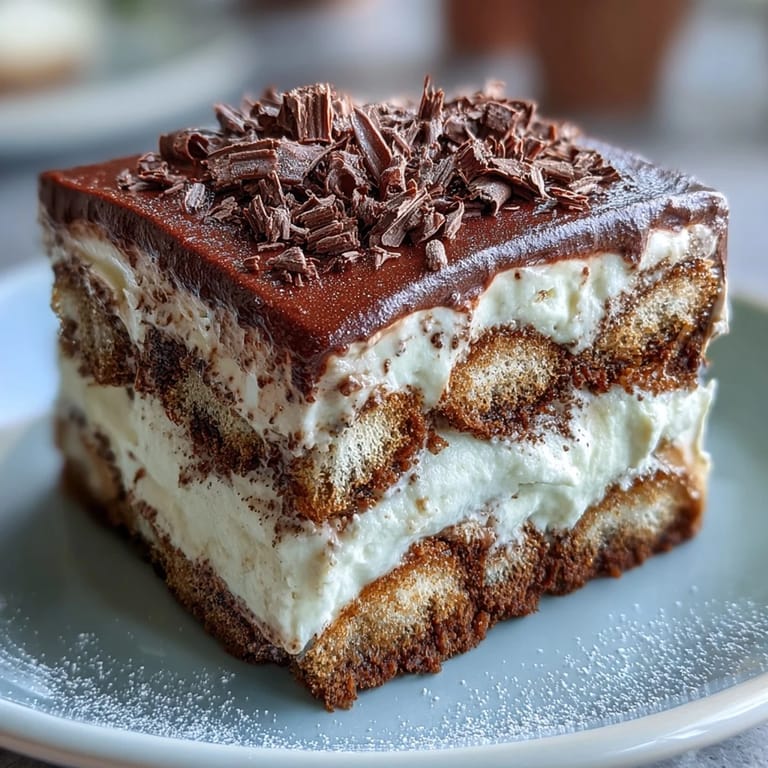
Save One brisk afternoon, the scent of roasted tea drifted through my tiny kitchen and sparked an idea: what if tiramisu dressed up in Japanese flavors? With a pouch of hojicha and my usual stash of ladyfingers, there was no resisting a little culinary experiment. I can still hear the gentle snap of fresh ladyfingers as I laid them out – and the surprise on my partner’s face when he tried his first bite. Sometimes, the best desserts are born from moments of pure curiosity rather than planning. The subtle warmth of hojicha in each spoonful was a delightful twist that made this recipe instantly memorable.
When I made this for a picnic in early spring, we ended up eating it straight from the dish with our forks, barely letting it chill long enough because everyone was too impatient. Watching the mascarpone melt ever-so-slightly in the sun and hearing all the delighted sighs is one of those small kitchen victories I’ll never forget.
Ingredients
- Hojicha loose leaf tea (or teabags): Using good-quality hojicha will deliver that signature toasty flavor—loose leaf is best, but teabags work in a pinch.
- Granulated sugar: Stirred right into the soak, it balances hojicha’s earthy notes, so don’t skip it.
- Mascarpone cheese: This is where creamy magic happens—make sure it’s softened, or you’ll battle annoying lumps.
- Heavy cream: Cold cream whips up fluffy and blends smoothly, holding the whole custard cloud together.
- Powdered sugar: It dissolves neatly into egg yolks without any gritty bits, giving the cream layer a silky sweetness.
- Egg yolks: They enrich the mascarpone, adding body and subtle color; don’t forget to let them come to room temperature first.
- Vanilla extract: Just a splash rounds out the flavors beneath the tea and mascarpone.
- Ladyfingers (savoiardi): Crisp, store-bought is perfectly fine—dip them quickly to avoid sogginess.
- Hojicha powder (or finely ground leaves): Dusting this on top brings all the roasted aroma to the forefront.
- Chocolate shavings or roasted nuts: Only if you want extra texture; toasted hazelnuts are my favorite for a bit of crunch.
Tired of Takeout? 🥡
Get 10 meals you can make faster than delivery arrives. Seriously.
One email. No spam. Unsubscribe anytime.
Instructions
- Make the hojicha soak:
- Steep the hojicha in hot water for 4–5 minutes, watching as the water deepens to a smoky amber. Strain, stir in the sugar, and let cool until it’s no longer warm to the touch.
- Prepare the creamy base:
- In a bowl, whisk egg yolks and powdered sugar together until pale and fluffy – don't rush, this step gives your tiramisu its structure.
- Combine mascarpone and vanilla:
- Gently fold the mascarpone and vanilla into the whipped yolks, making sure the cream is velvety and lump-free.
- Whip and fold in the cream:
- Whip the cold heavy cream to stiff peaks—when you lift the whisk, snowy peaks should hold steady. Gently fold this into your mascarpone mixture until light and airy.
- Soak the ladyfingers:
- Dip each ladyfinger into the cooled hojicha soak for just 1–2 seconds per side; too long, and they’ll fall apart before layering.
- Assemble the tiramisu:
- Arrange a snug layer of soaked ladyfingers at the dish’s base, spread over half the mascarpone cream, then repeat with the second layer and remaining cream.
- Chill:
- Cover tightly and refrigerate for at least 4 hours, preferably overnight, until the flavors are beautifully mingled.
- Finish and serve:
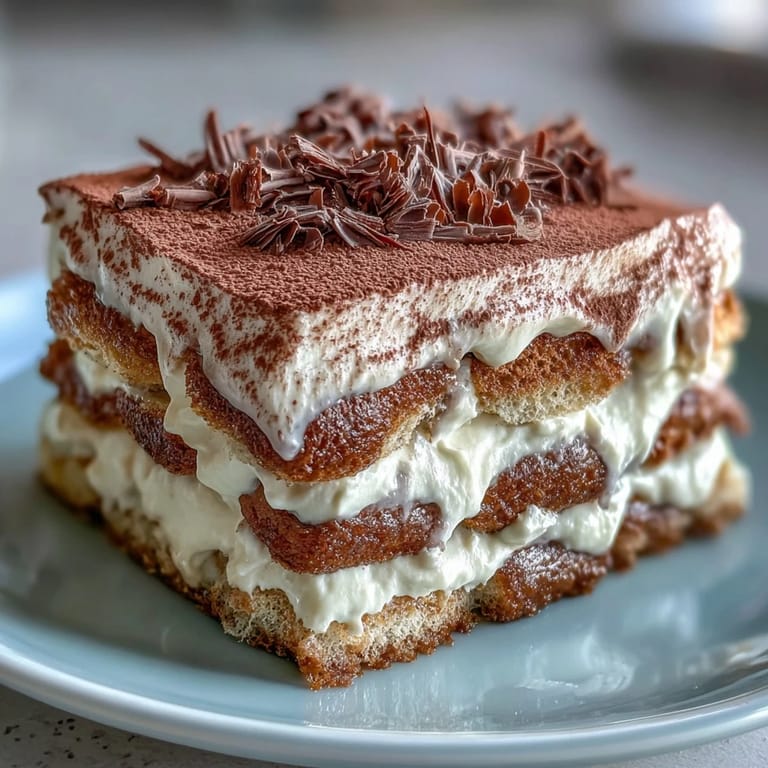
- Dust generously with hojicha powder right before serving, and scatter with chocolate shavings or nuts if you like a little crunch.
 Save
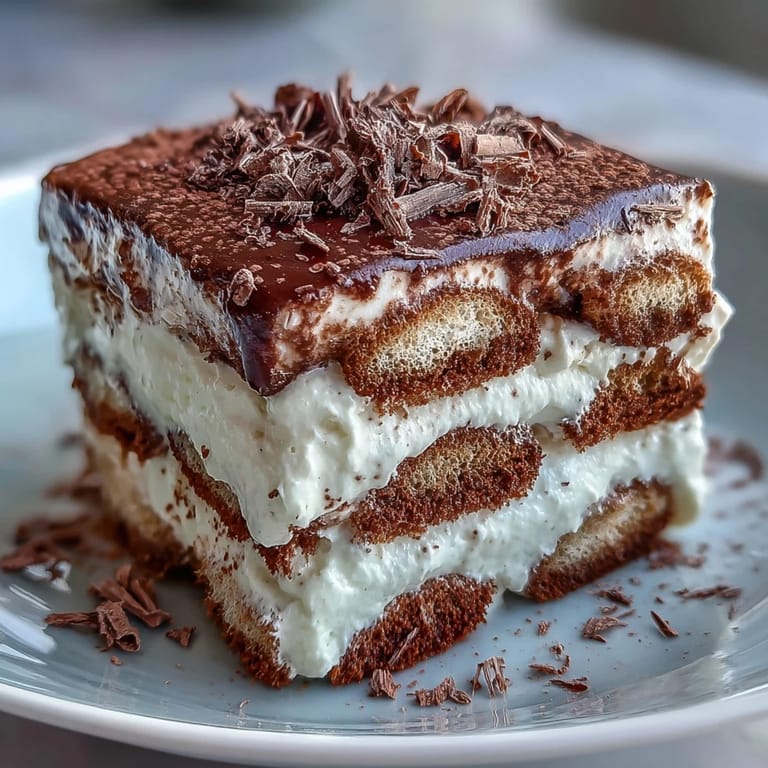
Save There was a moment, just after taking that first creamy, tea-infused bite with friends, when laughter and forks collided over the baking dish—it was clear this tiramisu had become the real centerpiece of our gathering.
The Magic of Roasted Tea in Sweets
Hojicha has a gentle, smoky depth that transforms classic desserts. Pairing it with mascarpone was a revelation; the subtle bitterness balanced the rich cheese so nothing felt overwhelming. If you’re new to hojicha, let its cozy aroma lead the way—it rarely disappoints.
Assembly Tricks for Layering Perfection
It took me a few attempts to master layering without making everything soggy. Press the ladyfingers lightly and avoid over-saturating, otherwise you lose those beloved, fluffy pockets between bites. I like to tap the dish gently on the counter after every layer to make sure everything settles seamlessly.
What to Serve and When to Chill
I’ve found that tiramisu is best chilled overnight—the flavors deepen, and the dessert slices beautifully. It’s lovely with a little cup of hot hojicha on the side if you want to double up on the tea experience.
- Remember to let the tiramisu rest for at least 4 hours before serving.
- Dust with hojicha powder just before bringing it to the table for maximum aroma.
- Decorate at the last minute so garnishes stay crisp and vibrant.
 Save
Save Sharing this Hojicha Tiramisu always feels like revealing a well-kept secret. I hope each slice invites conversation, second helpings, and a bit of adventure into your kitchen too.
Recipe FAQ
- → What is hojicha and how does it affect flavor?
Hojicha is a Japanese roasted green tea with a warm, toasty aroma that adds a subtle roasted depth and mild bitterness, enriching the dessert’s complexity.
- → How should ladyfingers be soaked for best texture?
Dip ladyfingers quickly, about 1-2 seconds per side, in cooled hojicha soak to prevent sogginess while absorbing delicate flavors for layered softness.
- → Can mascarpone cream be whipped without heavy cream?
Heavy cream provides lightness when whipped and folded into mascarpone; omitting it results in a denser cream with less airy texture.
- → What alternatives exist for garnishing this dessert?
Besides hojicha powder, chocolate shavings or roasted nuts add flavor and texture contrasts, enhancing visual appeal and richness.
- → How long should this dessert chill before serving?
Chilling for at least 4 hours allows flavors to meld and cream to set properly, with overnight refrigeration recommended for best results.