 Save
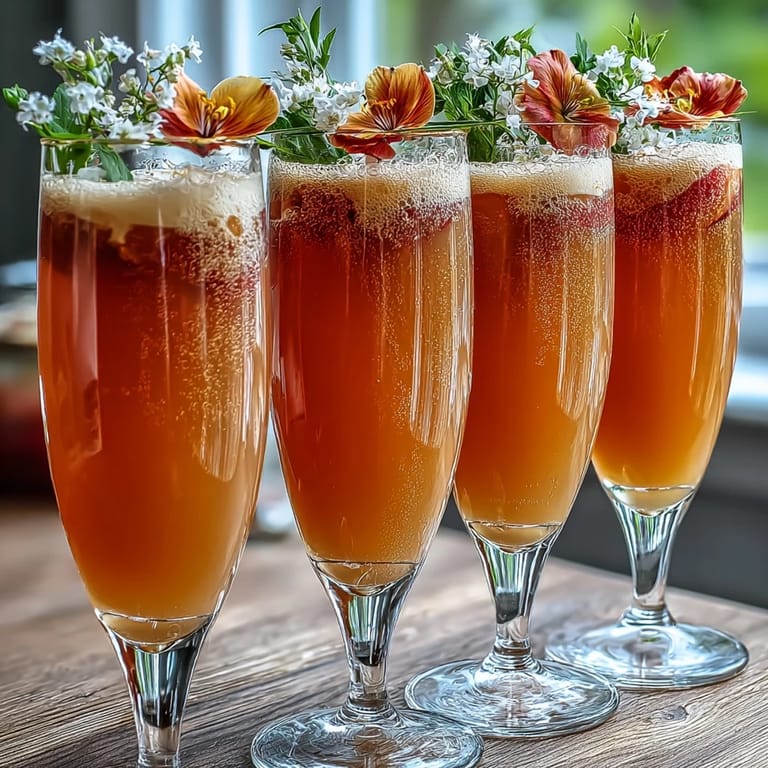
Save Last summer, my cousin showed up at brunch with a bottle of elderflower liqueur she'd found at a local market, and I watched her pour it into a glass with champagne and guava juice like she was conducting some kind of flavor experiment. The drink caught the morning light so beautifully that I had to ask for the recipe, and she laughed because there wasn't one—she'd just been improvising. That moment sparked something, and now this cocktail is what I make when I want to feel a little fancy without trying too hard.
I served these at a small gathering where my friend Sarah brought her elderly grandmother, who arrived a bit stiff and uncertain about the crowd. By her second sip, she was telling us stories about drinking elderflower cordials in her youth, and suddenly we were all leaning in, listening like she was sharing treasure. Food and drink have this quiet power sometimes.
Ingredients
- Guava nectar: The tropical backbone that keeps this from tasting too fancy or precious; look for versions with no added sugar if you're watching that, and let it get properly cold before mixing.
- Elderflower liqueur (St-Germain preferred): This brings a delicate floral note that doesn't shout but whispers, making the whole drink feel sophisticated without any attitude.
- Champagne or sparkling wine: The crisp foundation that ties everything together; save the expensive stuff for toasting major moments, but don't use the cheapest either.
- Edible flowers or guava slices: These are optional but worth the small effort because they make the moment feel intentional, like you're giving the drink a proper send-off.
Tired of Takeout? 🥡
Get 10 meals you can make faster than delivery arrives. Seriously.
One email. No spam. Unsubscribe anytime.
Instructions
- Set up your flutes:
- Pour 1/4 cup (60 ml) of chilled guava nectar into each champagne flute, watching how the color sits there like liquid sunset. Make sure your glasses are clean and chilled, which sounds obvious but changes everything about how the drink tastes.
- Add the elderflower:
- Pour 2 tablespoons (30 ml) of elderflower liqueur into each glass, and you'll see the nectar darken and deepen as the two flavors begin their conversation. This is when you can smell both the tropical sweetness and that subtle floral note layering on top.
- Crown with champagne:
- Top each flute gently with chilled champagne until the glass is full, pouring slowly and deliberately so you're not creating an avalanche of bubbles. This is the moment where magic happens—watch the mixture become this harmonious blend of golden and pale.
- Bring it together:
- Give each drink a gentle stir with a bar spoon, letting the flavors mingle without losing too many bubbles to the air. You're not trying to homogenize anything here, just introducing the ingredients to each other.
- Finish and serve:
- Place a single edible flower or a paper-thin slice of guava on the rim or floating gently on top if you're feeling it. Serve immediately while everything is still crisp and cold, because this drink is at its best the moment it's made.
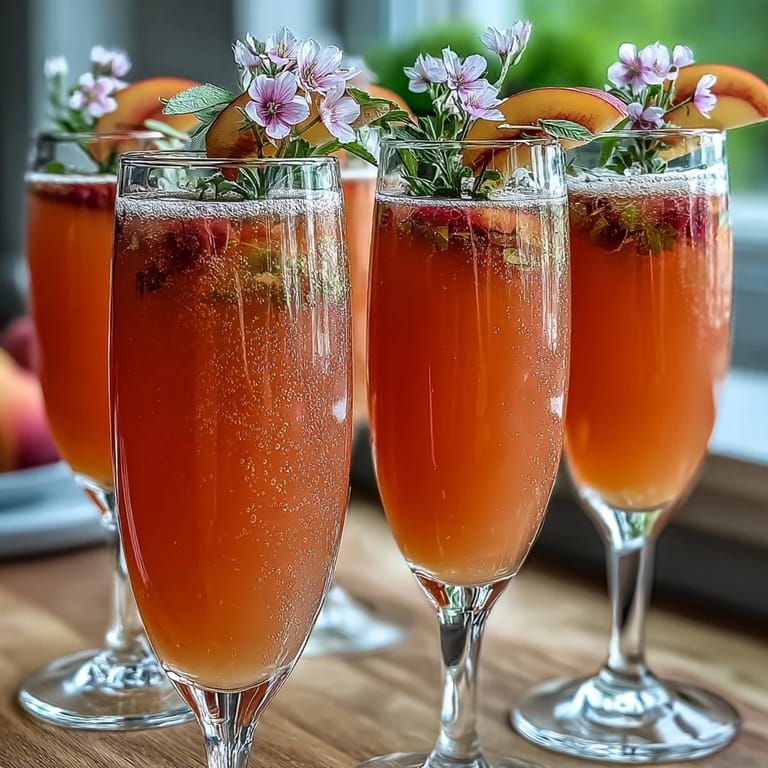 Save
Save There's something about handing someone a cold glass that catches the light just right, watching their face shift into that moment where they taste something new and unexpected. That's when a cocktail stops being a drink and becomes an experience, and this one delivers that every single time.
Adjusting the Flavor Balance
If you like your drinks sweeter, add another tablespoon of guava nectar and reduce the champagne slightly—the guava is forgiving and won't overpower the elderflower if you're generous with it. On the flip side, if you prefer something lighter and more champagne-forward, use less guava and elderflower, letting the bubbles be the main character instead of a supporting role. I've made this both ways depending on the mood, and both versions are worth keeping in your back pocket.
Making It Non-Alcoholic
Swap the elderflower liqueur for elderflower syrup and use sparkling water or a good non-alcoholic sparkling wine, and you get something that feels just as celebratory and special. The technique stays exactly the same, so you're not reinventing anything—you're just swapping ingredients without losing the sophistication that makes this drink work.
Pairing and Serving Suggestions
This cocktail is perfect alongside fresh fruit platters, croissants, smoked salmon toast, or even just a good hard cheese and some good bread. The elderflower's floral notes play beautifully with light, bright foods and won't compete with delicate flavors.
- Serve these as soon as they're made while the bubbles are still active and everything is at peak temperature.
- Make the guava-elderflower mixture ahead of time if you're entertaining, then just top with champagne right before serving each batch.
- Keep extra guava nectar chilled so you can make seconds without running to the kitchen for ice.
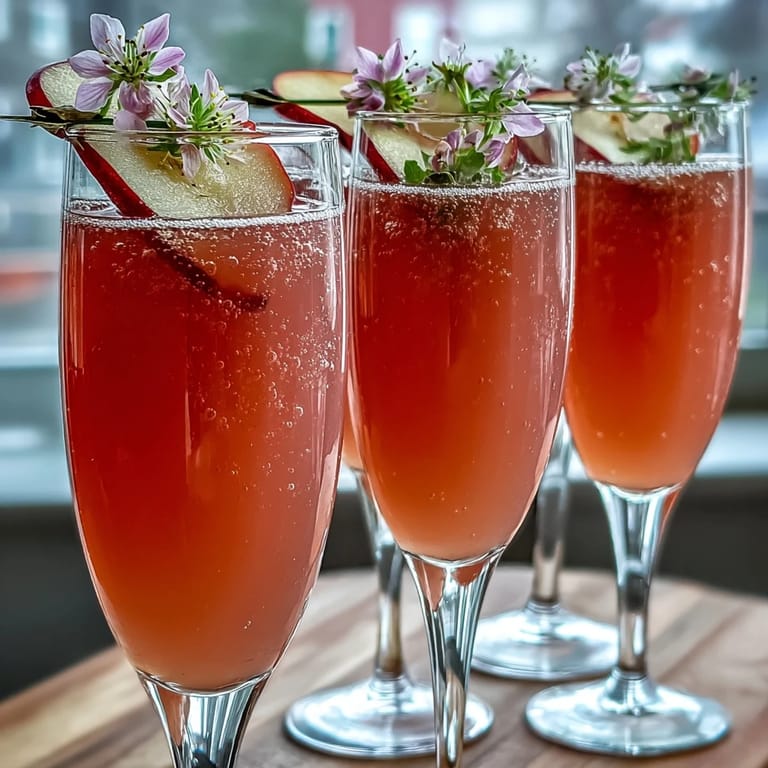 Save
Save This drink reminds me that the best moments at the table are often the unplanned ones, created not by complexity but by taking a few good ingredients seriously. Make these for someone you love, and pay attention to their face when they take that first sip.
Recipe FAQ
- → Can I make this non-alcoholic?
Yes, substitute the elderflower liqueur with elderflower syrup and replace the champagne with sparkling water or non-alcoholic sparkling wine for a refreshing mocktail version.
- → What type of champagne works best?
A dry brut or extra brut champagne or sparkling wine works best to balance the sweetness of the guava nectar and elderflower liqueur. Prosecco or Cava are excellent budget-friendly alternatives.
- → Can I prepare this in advance?
Mix the guava nectar and elderflower liqueur ahead of time and refrigerate. Add the champagne just before serving to maintain the carbonation and freshness.
- → What other garnishes work well?
Fresh edible flowers, thin guava slices, champagne grapes, or a twist of lime make beautiful garnishes. A sprig of mint or basil adds a lovely aromatic touch.
- → How can I adjust the sweetness?
Increase the guava nectar for a sweeter drink, or add more champagne to lighten the flavor profile. The proportions can be customized to your taste preferences.
- → What foods pair well with this mimosa?
This pairs beautifully with fresh fruit platters, light pastries, croissants, quiche, or classic brunch dishes like eggs benedict and avocado toast.